Lighting is one of the most critical yet misunderstood components of modern aquarium engineering. Beyond simply illuminating the tank so hobbyists can view their fish, lighting serves as the primary energy engine driving live plant photosynthesis, regulating biological circadian rhythms, and influencing algae growth rates. In this technical guide, we break down lighting metrics, spectrum tuning, and advanced LED system design for planted freshwater aquariums.
AQUARIUM SETUP · GUIDE 08
Designing Aquarium Lighting Systems: PAR Values, Spectrum Tuning, and LED Efficiency
An advanced technical guide to aquarium lighting engineering, covering Photosynthetically Active Radiation (PAR), Kelvin color temperatures, and automated photoperiod cycles.
Reference source →
Related guides
Aquarium Setup
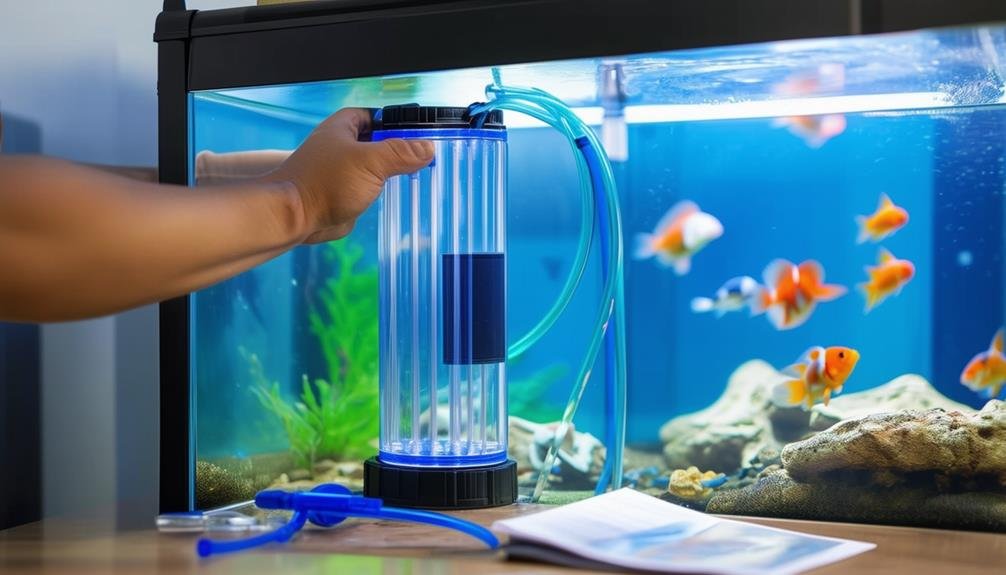
Engineering High-Performance Filtration Systems: Canister Mechanics, Media Stages, and Flow Rates
Aquarium Setup
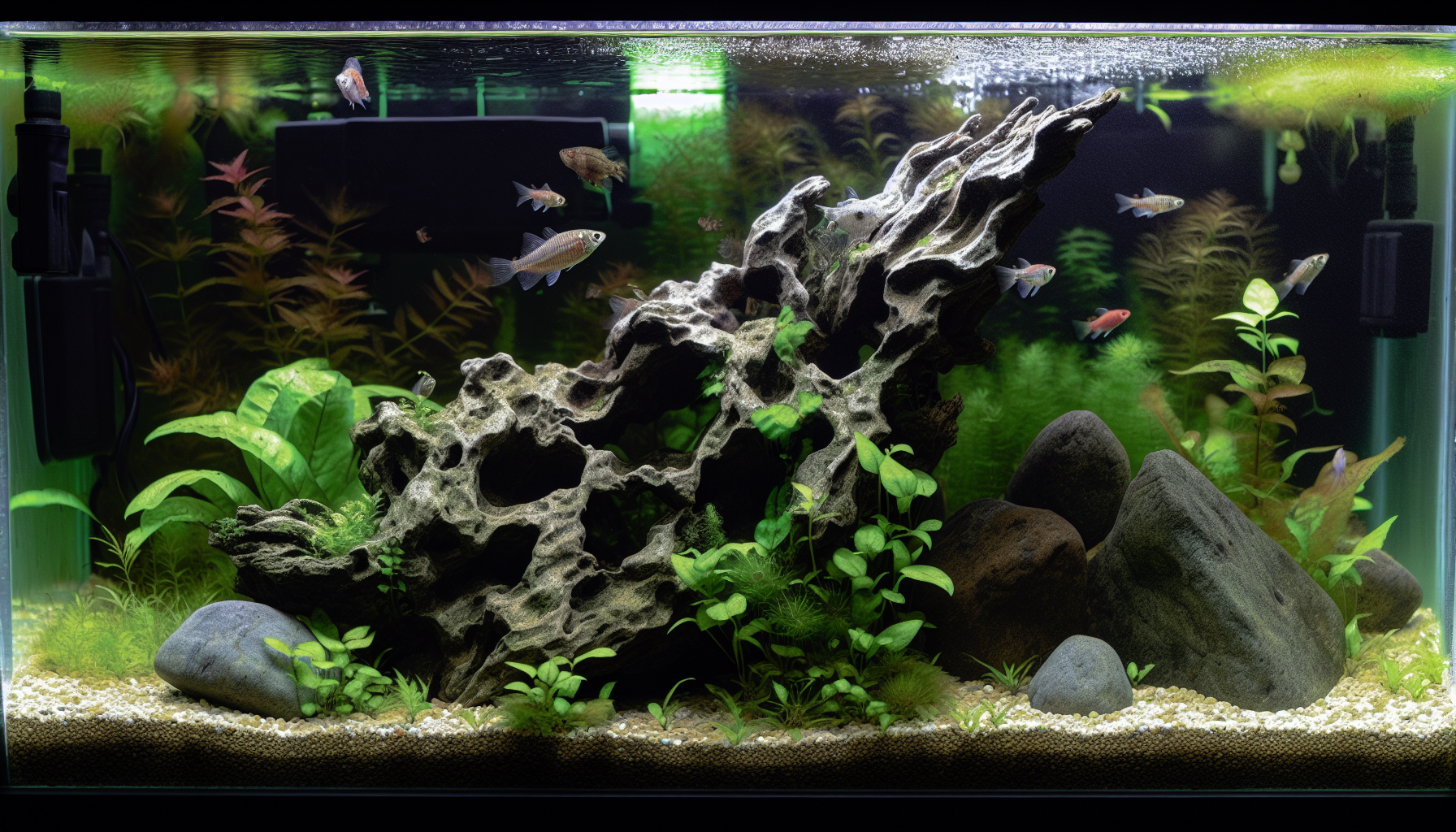
Mastering Aquascaping Hardscapes: Selecting Driftwood, Dragon Stone, and Golden Ratio Layouts

Aquarium Setup