Creating a visually breathtaking freshwater aquarium requires combining artistic landscape design principles with practical aquatic engineering. The foundation of any professional planted tank begins with the hardscape—the arrangement of natural driftwood, stones, and rocks that form the structural bones of your underwater world before a single plant or fish is introduced. In this masterclass guide, we explore professional hardscaping materials, structural stabilization, and classical design geometry.
AQUARIUM SETUP · GUIDE 04
Mastering Aquascaping Hardscapes: Selecting Driftwood, Dragon Stone, and Golden Ratio Layouts
An expert aquascaping design guide exploring layout composition, anchoring driftwood, acid-washing rocks, and applying the golden ratio in freshwater planted tanks.
Reference source →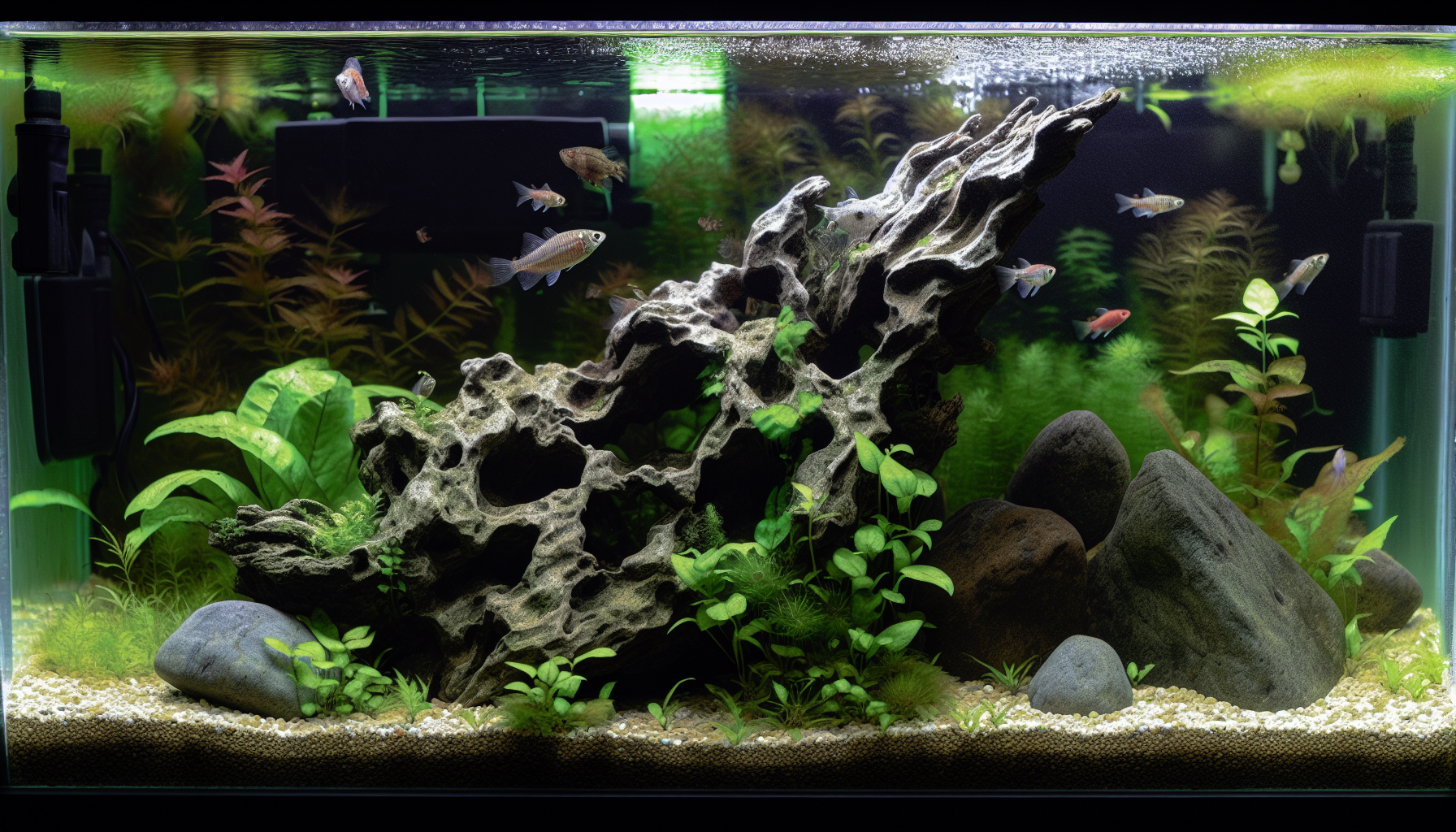
Related guides
Aquarium Setup
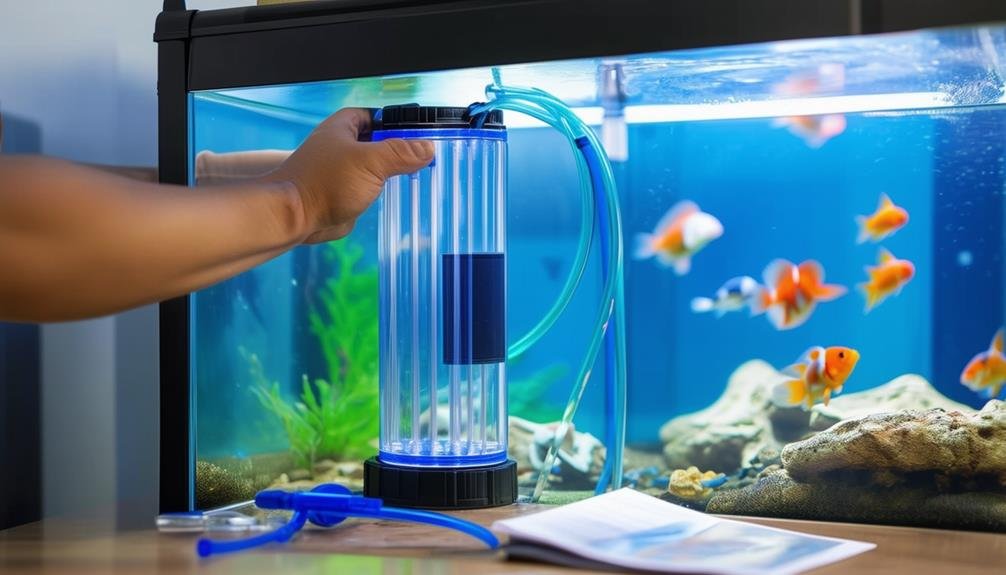
Engineering High-Performance Filtration Systems: Canister Mechanics, Media Stages, and Flow Rates

Aquarium Setup
Designing Aquarium Lighting Systems: PAR Values, Spectrum Tuning, and LED Efficiency

Aquarium Setup