The choice of aquarium substrate is far more than a purely aesthetic decision; it forms the foundational chemical and biological anchor of your entire aquatic ecosystem. Different substrates influence water hardness, pH buffering capacity, root nutrient availability, and bacterial colonization rates. In this technical engineering guide, we break down the mechanics of modern active aqua soils, inert sands, and proper substrate depth management.
AQUARIUM SETUP · GUIDE 13
Engineering Aquarium Substrates: Active Aquasoil Mechanics, Root Aeration, and Nutrient Buffering
An expert technical guide to freshwater aquarium substrates, covering nutrient-rich aqua soils, inert gravel maintenance, and preventing anaerobic gas pockets.
Reference source →
Related guides
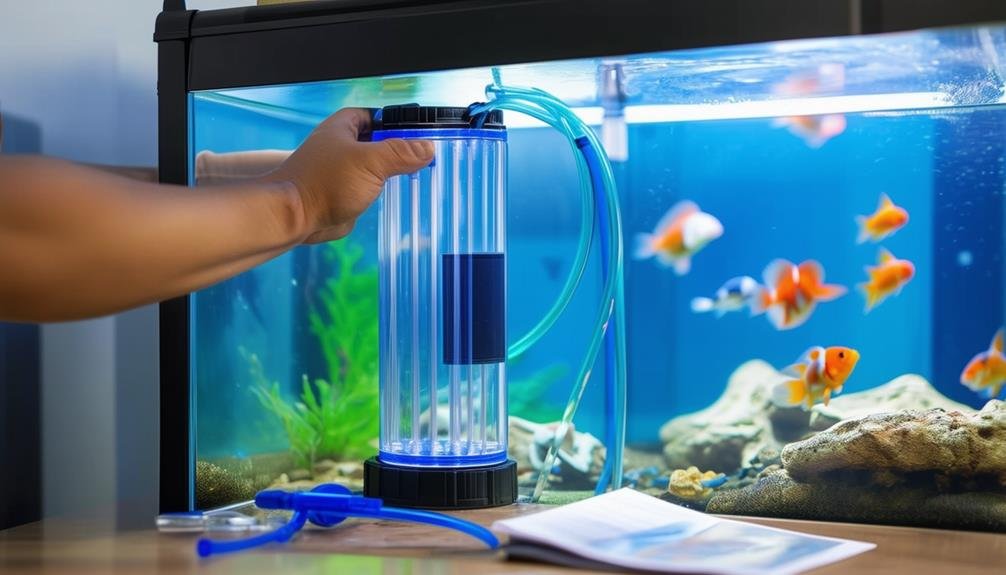
Aquarium Setup
Engineering High-Performance Filtration Systems: Canister Mechanics, Media Stages, and Flow Rates
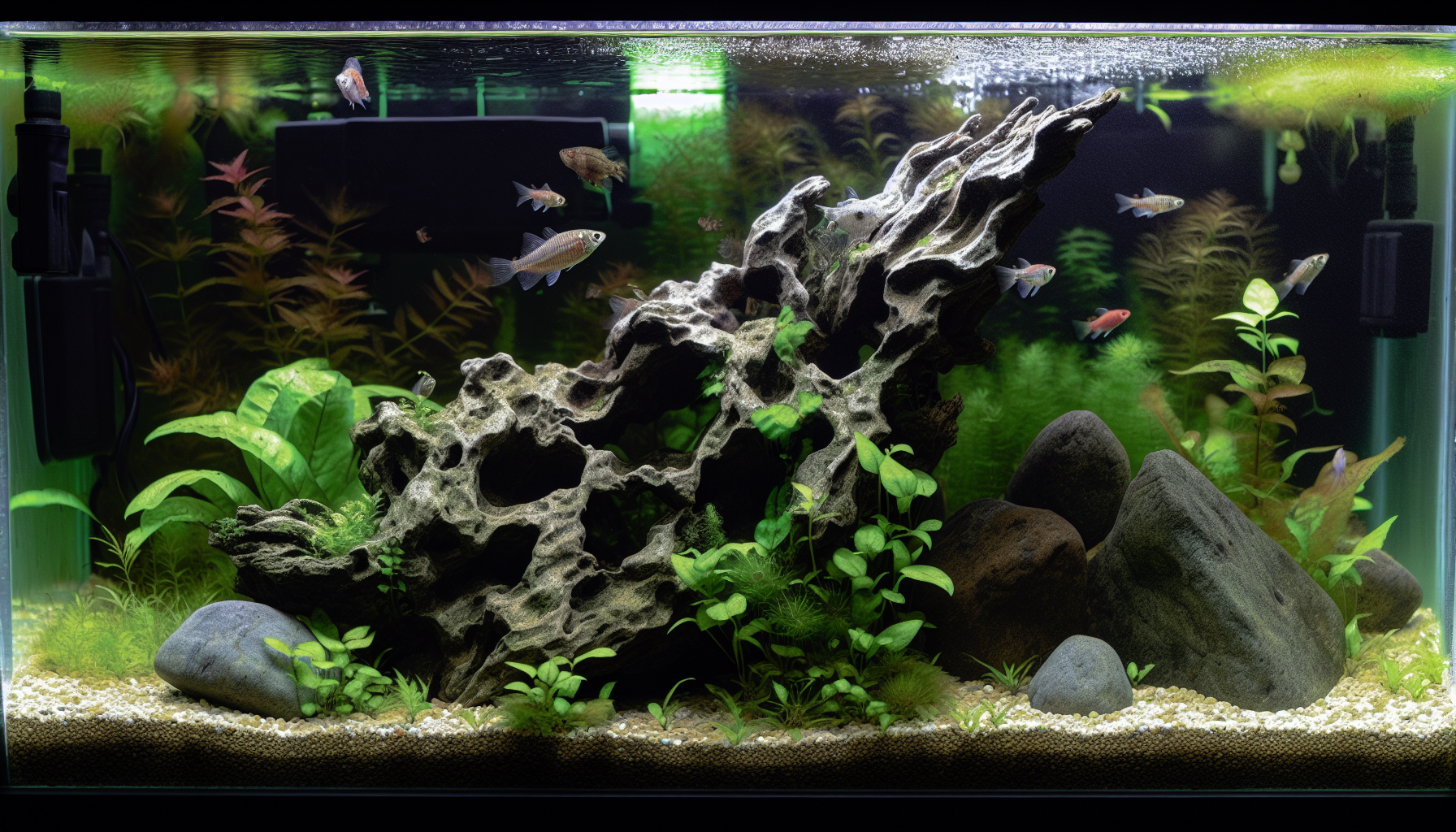
Aquarium Setup
Mastering Aquascaping Hardscapes: Selecting Driftwood, Dragon Stone, and Golden Ratio Layouts

Aquarium Setup