The biological integrity of any closed aquatic ecosystem depends entirely on the design, capacity, and efficiency of its filtration system. Far beyond simply clearing floating debris, a properly engineered filtration network functions as the primary life-support infrastructure for your fish, processing toxic metabolic waste into harmless nitrates through established bacterial colonies. In this technical guide, we break down the three essential filtration stages and evaluate modern canister and sump architecture.
AQUARIUM SETUP · GUIDE 03
Engineering High-Performance Filtration Systems: Canister Mechanics, Media Stages, and Flow Rates
An advanced technical guide to aquarium filtration engineering, comparing biological, mechanical, and chemical media stages, turnover rates, and bypass prevention.
Reference source →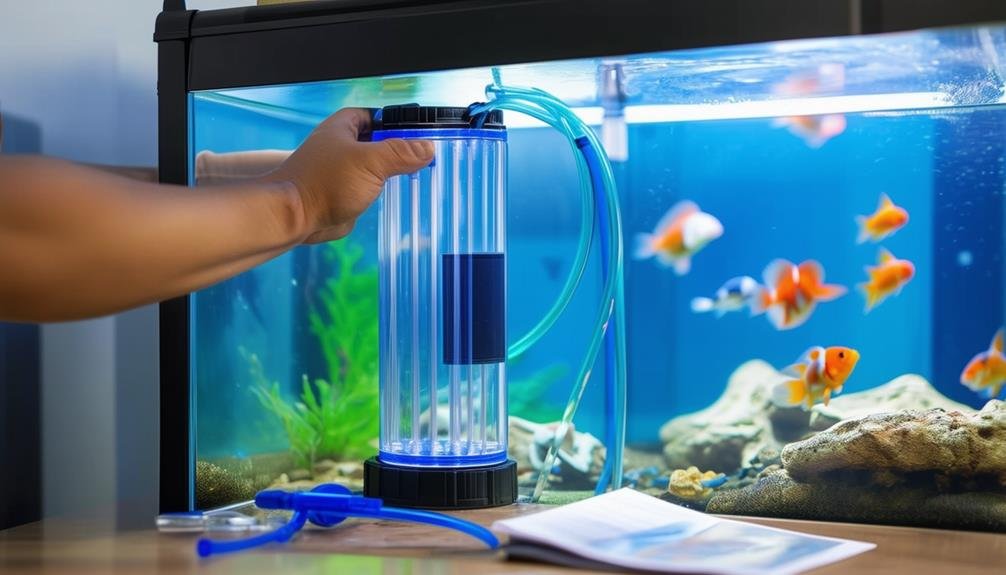
Related guides
Aquarium Setup
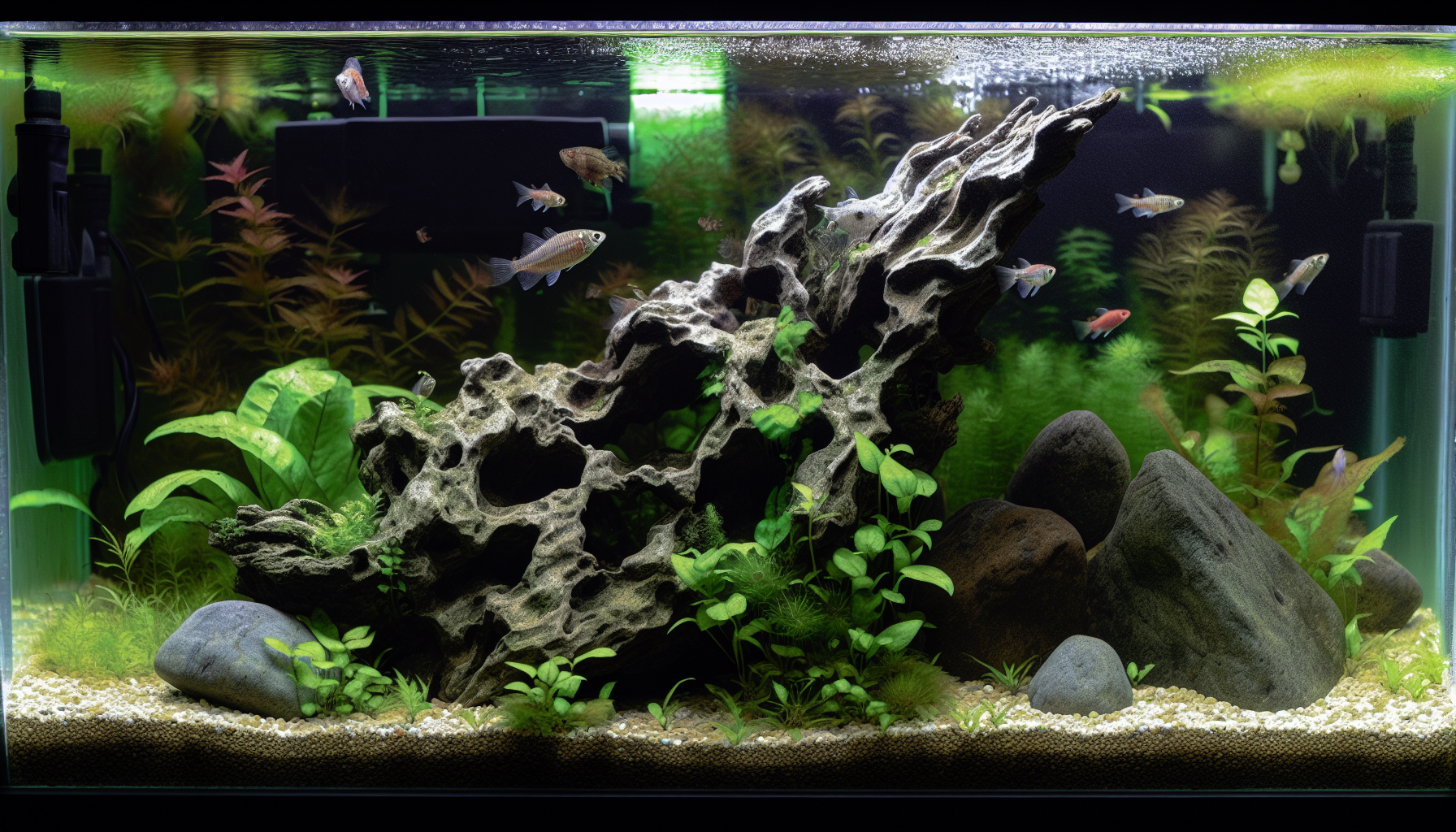
Mastering Aquascaping Hardscapes: Selecting Driftwood, Dragon Stone, and Golden Ratio Layouts

Aquarium Setup
Designing Aquarium Lighting Systems: PAR Values, Spectrum Tuning, and LED Efficiency

Aquarium Setup