Shrimp and snails bring a living, working dimension to a freshwater aquarium, cleaning algae, consuming detritus, and adding movement and color that fish alone cannot provide. But these invertebrates are also, from a fish's perspective, food. Building an invertebrate-safe community requires recognizing that almost every fish is a potential predator of a small, soft-bodied creature, and that safety comes from choosing compatible fish, providing refuges, and starting with a breeding population that can absorb losses. This guide explains how to stock a community where shrimp and snails thrive rather than disappear.
1. Why Invertebrates Are Vulnerable
Understanding invertebrate vulnerability explains why fish selection is so critical.
- Soft Bodies: Shrimp and snails are easily injured and consumed.
- Small Size: Most fish can swallow shrimp and small snails whole.
- Reproduction Time: Rebuilding a population after predation takes weeks.
2. Safe Fish Species
Some fish are reliably safe with invertebrates.
- Small Peaceful Schoolers: Rasboras and small tetras generally ignore shrimp and snails.
- Otocinclus: Their grazing diet and gentle nature make them ideal companions.
- Micro-Fish: Tiny species such as chili rasboras pose no threat.
3. Fish to Avoid
Certain species will systematically eliminate invertebrates.
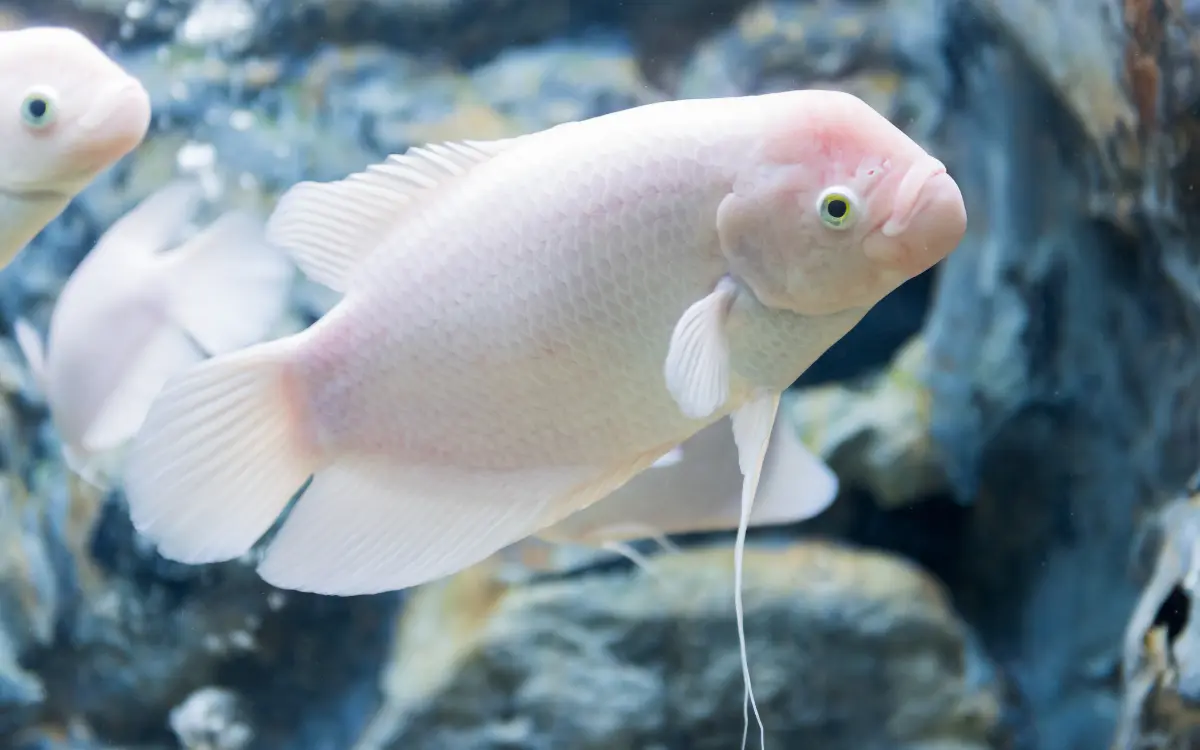
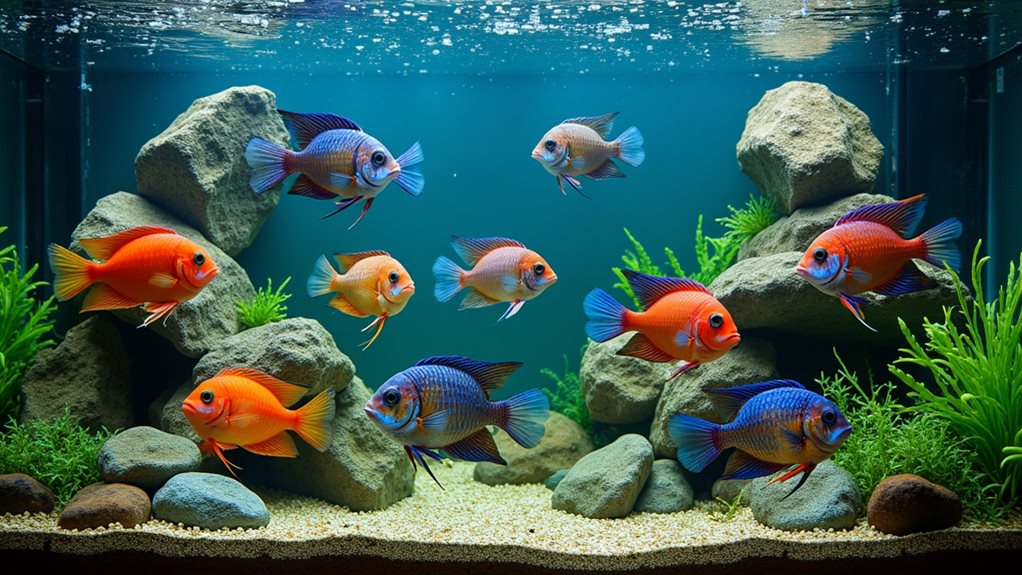
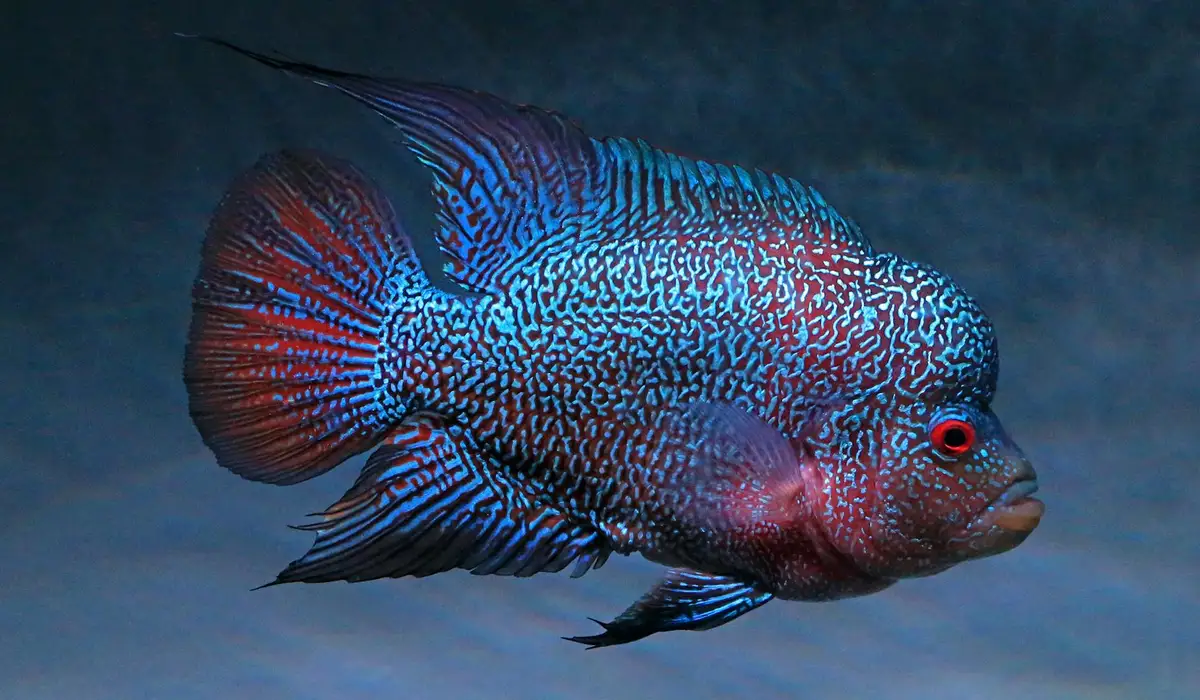
- Cichlids: Even dwarf cichlids prey on shrimp.
- Loaches: Many loaches actively hunt snails and shrimp.
- Large Predatory Fish: Anything that can fit a shrimp in its mouth will eventually do so.
4. Providing Refuges
Refuges let invertebrates live alongside fish despite the risks.
- Moss and Dense Plants: Java moss and dense plantings give shrimp cover.
- Rock Piles and Caves: Tight crevices protect shrimp and snails.
- Refuge Zones: Create areas where fish cannot easily reach.
5. Building a Breeding Population
Starting with a strong breeding population is essential for longevity.
- Start Large: Begin with a substantial number so reproduction outpaces losses.
- Species Choice: Cherry shrimp and common snails breed readily and recover quickly.
- Stable Conditions: Stable parameters and stable temperature support constant breeding.
6. Water Parameters and Tank Setup
Invertebrates have specific environmental needs that must be met.
- Parameters: Match water hardness and pH to the species; many shrimp need stable, mineral-appropriate water.
- Copper Caution: Invertebrates are sensitive to copper, which is found in some medications and foods.
- Filtration Safety: Use sponge prefilter intakes to prevent shrimp from being drawn in.
7. Troubleshooting an Invertebrate Community
When invertebrates decline, the cause is usually predation or water chemistry.
- Disappearing Shrimp: Suspect a predatory fish and separate it.
- Failed Molts: Often indicate mineral or parameter problems.
- Snail Population Booms: Usually reflect overfeeding; reduce food to control numbers.