Designing a peaceful, harmonious freshwater community aquarium is one of the most rewarding challenges in fishkeeping. Novice hobbyists frequently make the mistake of selecting livestock based purely on visual appeal at the pet store, only to discover within days that territorial cichlids are bullying gentle schooling tetras or aggressive barps are shredding long veil fins. Achieving long-term social stability requires evaluating adult sizes, swimming strata, territorial aggression vectors, and dietary habits before purchasing a single fish. In this comprehensive compatibility guide, we establish the foundational rules of safe community stocking.
COMPATIBILITY · GUIDE 02
The Ultimate Freshwater Compatibility Matrix: Peaceful Community Stocking Rules and Aggression Avoidance
An analytical guide to aquarium fish compatibility, examining territorial boundaries, swimming strata, fin-nipping risks, and successful community tank stocking strategies.
Reference source →
Related guides
Compatibility
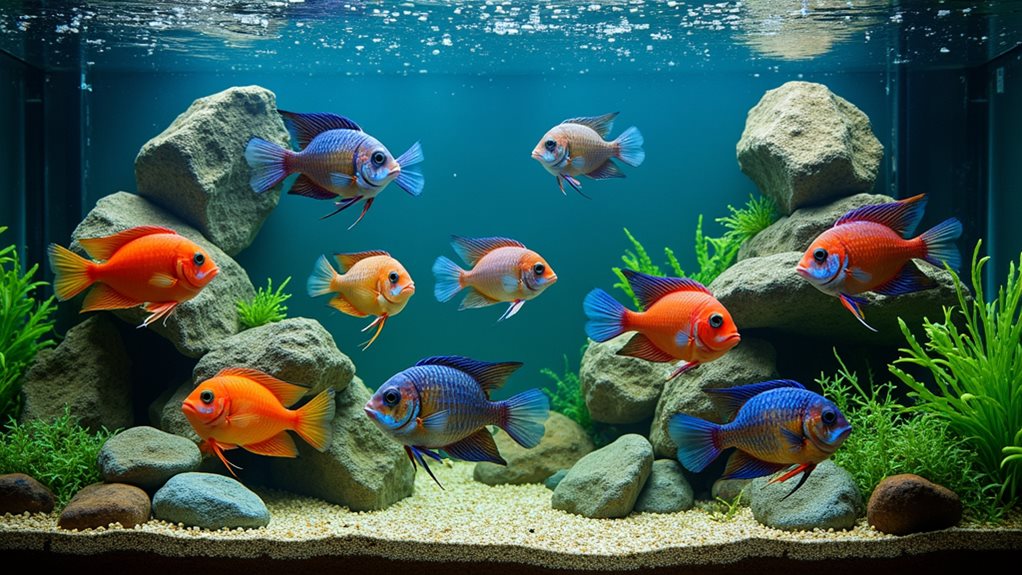
Advanced Fish Compatibility: Matching Cichlids, Community Schools, and Bottom Dwellers
Compatibility
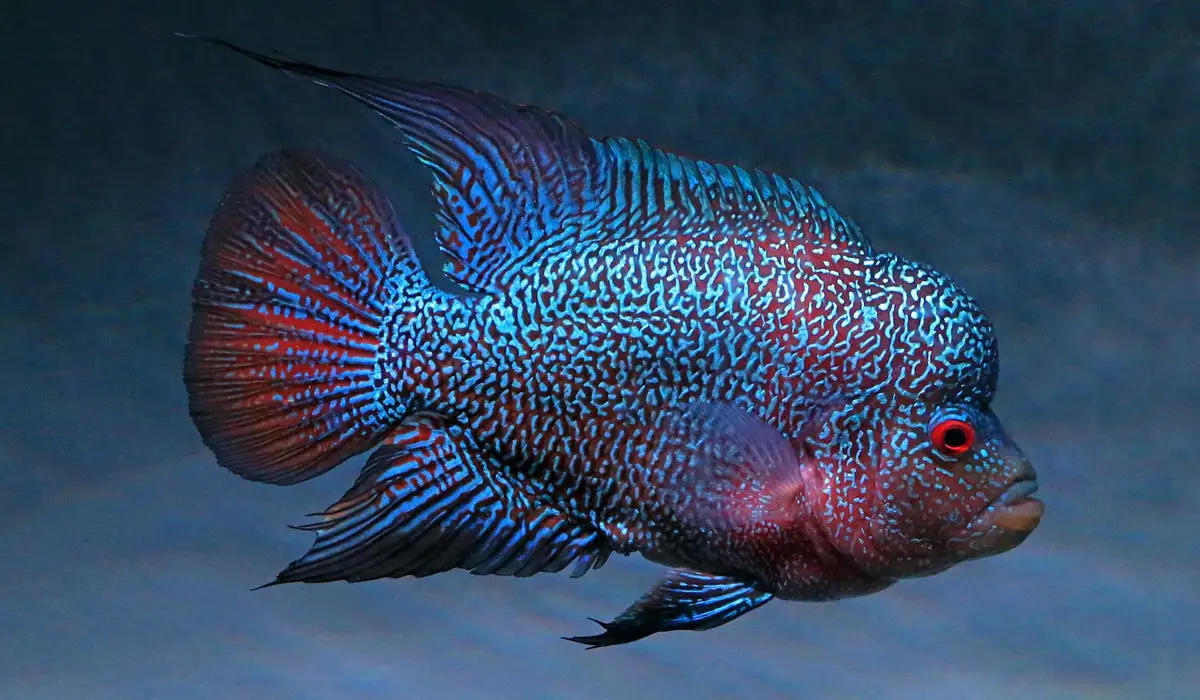
Advanced Fish Compatibility: Managing Cichlid Aggression, Invertebrate Safety, and Community Balance
Compatibility