Few compatibility questions generate as much debate as what can live with a betta fish. Bettas are territorial, easily stressed, and endowed with flowing fins that make them targets for nippers, yet they can also be remarkably tolerant of the right tank mates in a well-planned aquarium. The difference between a harmonious community and a constant battle comes down to choosing companions that are peaceful, appropriately sized, and suited to the betta's water parameters. This guide identifies safe tank mates, risky combinations, and the setup requirements that give a betta community the best chance of success.
1. Understanding Betta Temperament
Every betta is an individual, and temperament varies from placid to aggressive.
- Individual Variation: Some bettas ignore tank mates; others attack anything that moves.
- Territorial Instinct: Male bettas defend a territory, especially near the surface.
- Stress Response: Bettas that are overwhelmed become withdrawn and illness-prone.
2. Safe Tank Mate Categories
Certain groups of fish reliably coexist with bettas.
- Bottom Dwellers: Corydoras and Otocinclus occupy the substrate and avoid the betta's zone.
- Snails and Shrimp: Larger snails and Amano shrimp are usually ignored.
- Peaceful Schoolers: Small rasboras and calm tetras can work in spacious, planted tanks.
3. Tank Mates to Avoid
Some species are almost guaranteed to cause problems.
- Fin-Nippers: Tiger barbs, some danios, and similar species shred betta fins.
- Other Bettas: Males cannot be housed together; females require a carefully managed sorority.
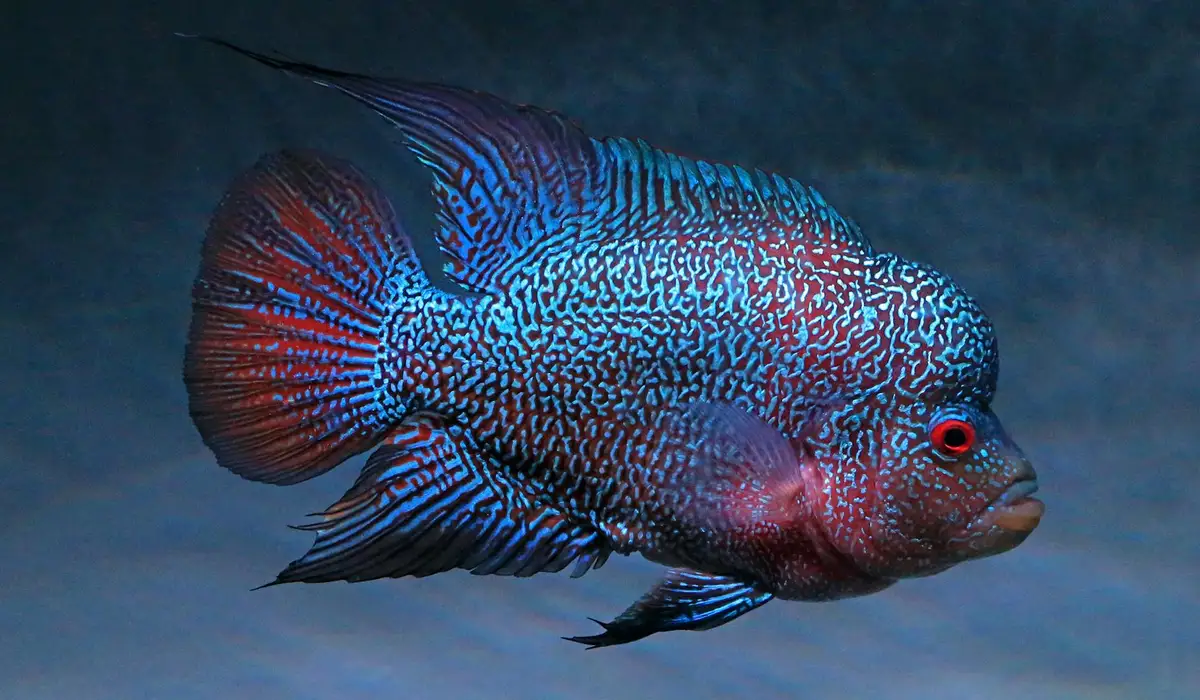
- Aggressive Fish: Cichlids and other territorial fish invite conflict.
4. Water Parameters and Temperature
Betta compatibility depends partly on shared environmental needs.
- Temperature: Bettas need warm water, around 25°C to 28°C, which suits many tropical community fish.
- pH and Hardness: They tolerate a wide range, making parameter matching relatively easy.
- Stability: Consistent, clean water reduces stress and aggression.
5. Tank Setup for a Betta Community
The environment determines whether a betta community thrives or fails.
- Ample Volume: Use the largest tank you can manage to diffuse territorial behavior.
- Dense Planting: Plants and structure create visual breaks and refuges.
- Gentle Flow: Baffle filters to avoid current that exhausts the betta's fins.
6. Introduction Strategy
How tank mates are introduced influences the outcome.
- Bettas Last: Introduce the betta after its tank mates have settled.
- Observe Closely: Monitor for chasing and fin damage during the first days.
- Have a Backup Plan: Keep a quarantine tank ready in case the betta must be separated.
7. Troubleshooting a Betta Community
Most problems appear early and are manageable.
- Fin Damage: Immediately identify and remove the nipper.
- Hiding or Lethargy: Often signals stress from incompatible tank mates.
- Chronic Flaring: Constant aggression requires separating the betta.