Maintaining high dissolved oxygen (DO) levels is critical for the metabolic health of fish and the biological efficiency of beneficial nitrifying bacteria. While planted aquariums generate oxygen during daylight hours via photosynthesis, carbon dioxide and oxygen levels shift dramatically overnight. In this technical engineering guide, we examine diaphragm air pump mechanics, back-siphon safety, and optimal aeration placement.
AQUARIUM SETUP · GUIDE 43
Engineering Aquarium Air Pumps: Diaphragm Mechanics, Check Valves, and Oxygen Saturation
An expert technical guide to aquarium aeration engineering, covering diaphragm pump output, back-siphon prevention, and maximizing dissolved oxygen saturation.
Reference source →
Related guides
Aquarium Setup
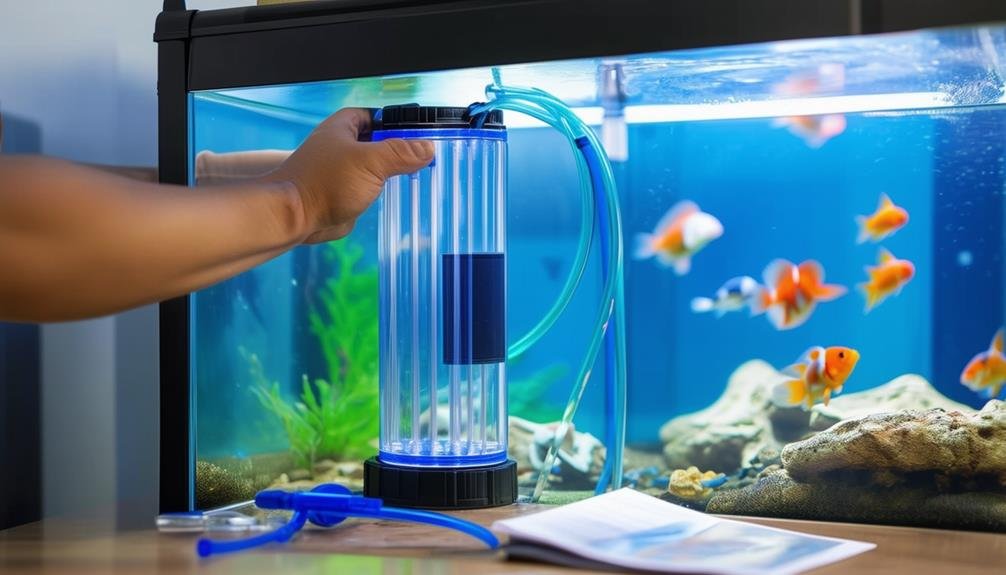
Engineering High-Performance Filtration Systems: Canister Mechanics, Media Stages, and Flow Rates
Aquarium Setup
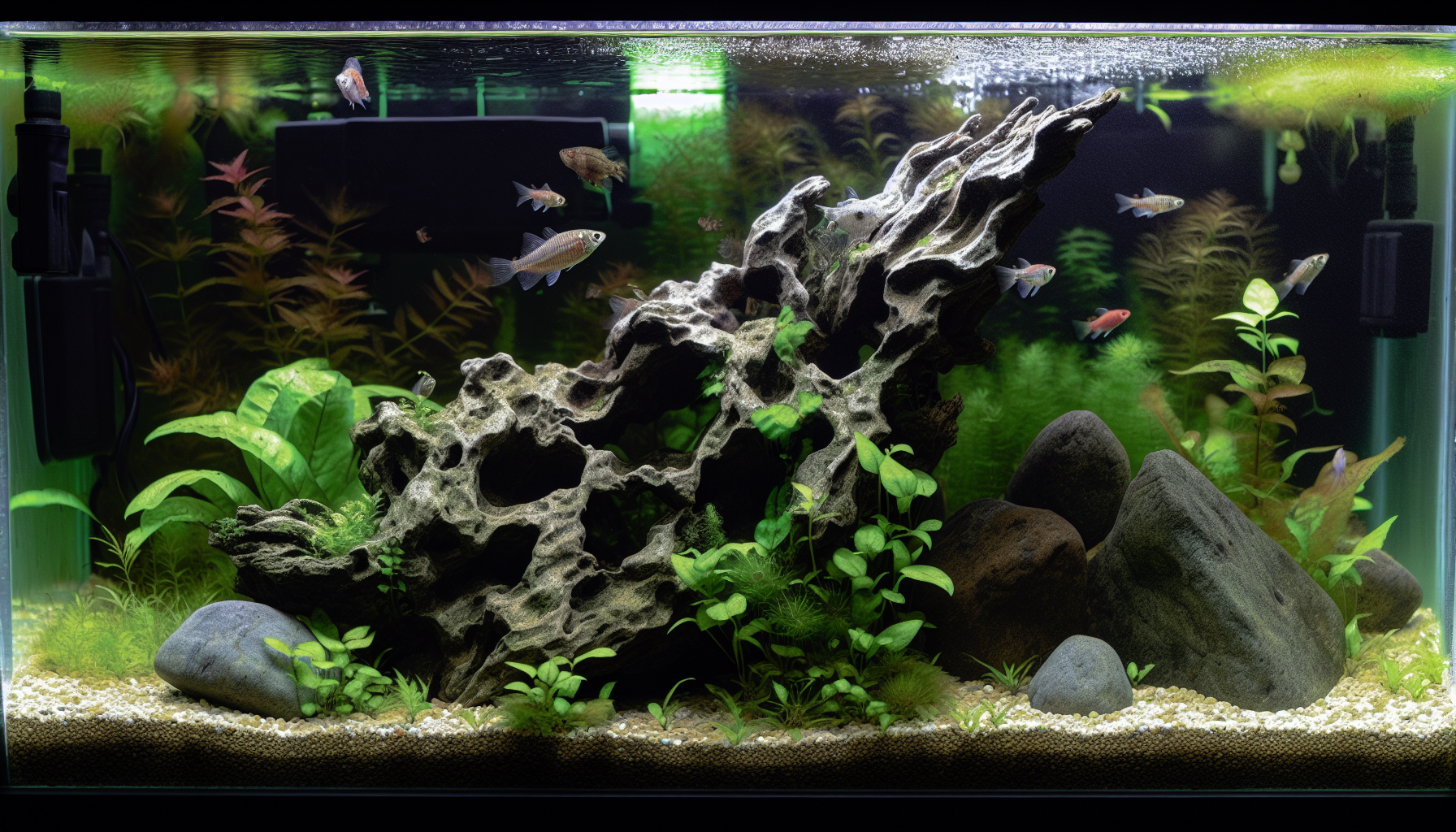
Mastering Aquascaping Hardscapes: Selecting Driftwood, Dragon Stone, and Golden Ratio Layouts

Aquarium Setup