Injecting pressurized carbon dioxide (CO2) is the single most transformative engineering upgrade a hobbyist can make to a high-tech planted freshwater aquarium. While low-tech tanks rely on ambient carbon diffusion, demanding carpeting plants and vibrant red stem species require elevated dissolved CO2 levels (target 30 ppm) to fuel explosive photosynthetic growth. In this technical engineering guide, we examine the core components of pressurized CO2 systems and optimal diffusion methods.
AQUARIUM SETUP · GUIDE 38
Engineering Aquarium CO2 Systems: Pressure Regulators, Solenoids, and Diffuser Placement
An expert technical guide to pressurized carbon dioxide engineering for planted aquariums, covering dual-stage regulators, bubble counters, and optimal diffusion efficiency.
Reference source →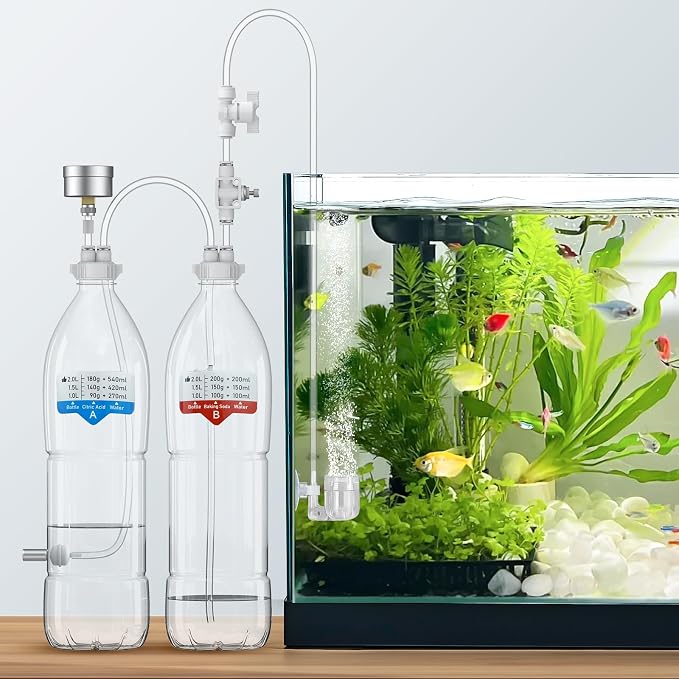
Related guides
Aquarium Setup
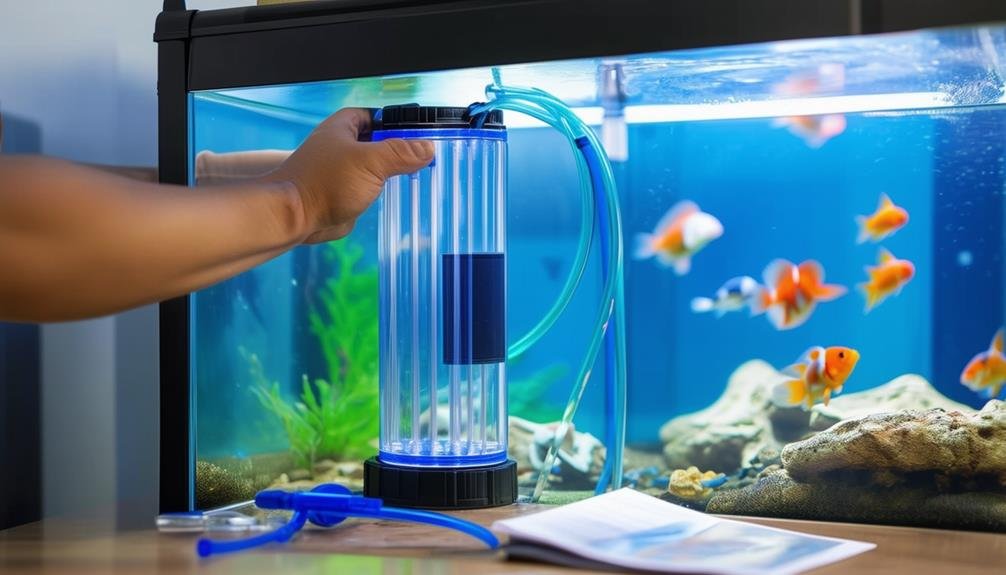
Engineering High-Performance Filtration Systems: Canister Mechanics, Media Stages, and Flow Rates
Aquarium Setup
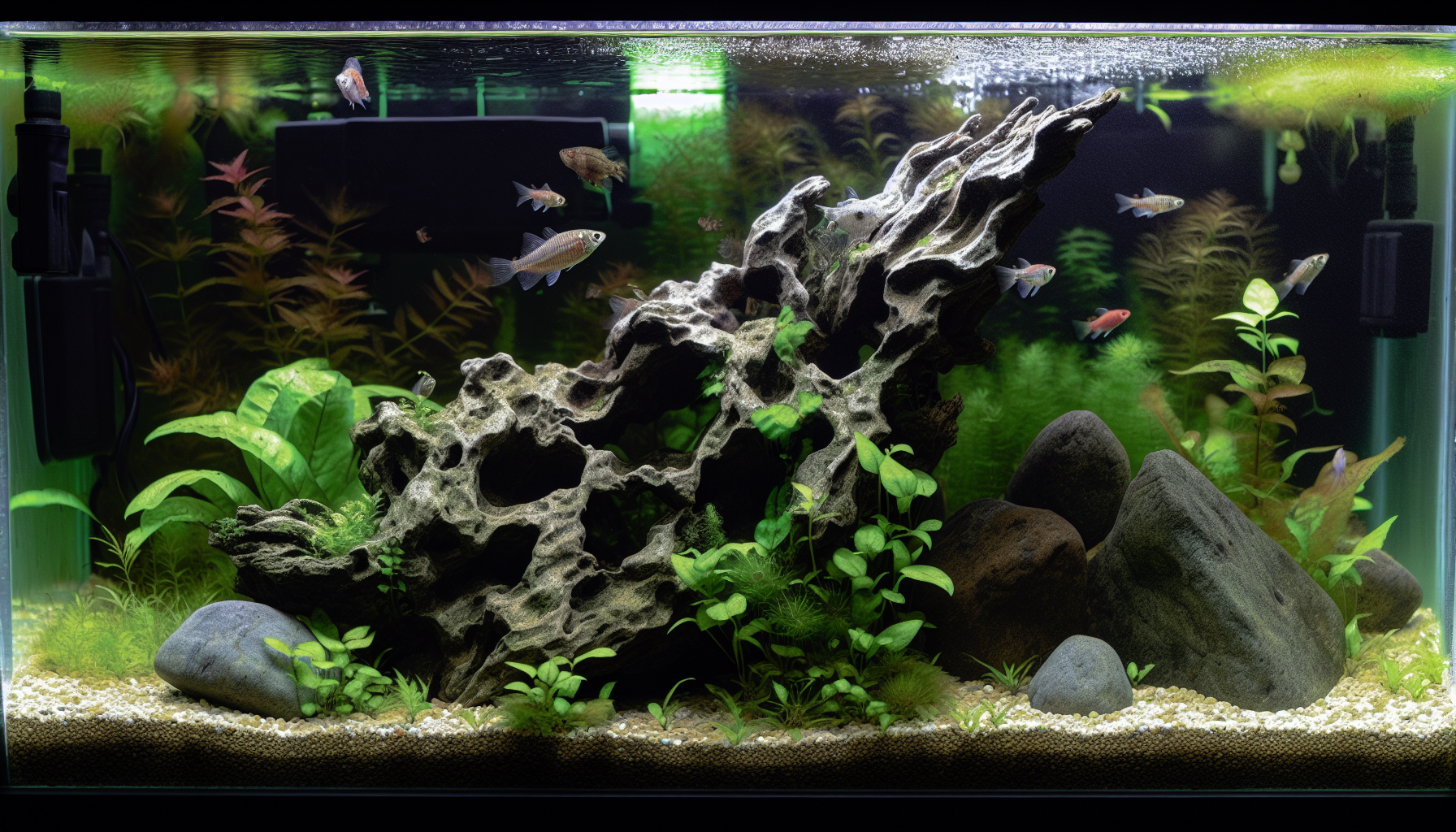
Mastering Aquascaping Hardscapes: Selecting Driftwood, Dragon Stone, and Golden Ratio Layouts

Aquarium Setup