Managing aquarium lighting involves far more than simply flipping a switch on and off at random times throughout the day. The duration, intensity, and consistency of your lighting schedule—known as the photoperiod—directly dictates plant growth rates, fish circadian rhythms, and whether your tank succumbs to aggressive algae blooms. In this technical guide, we examine the engineering principles behind optimal lighting management and automated control.
AQUARIUM SETUP · GUIDE 23
Engineering Aquarium Lighting: Understanding Photoperiods, Algae Control, and Timer Automation
An expert technical guide to aquarium lighting management, covering optimal daily photoperiod lengths, split-lighting schedules, and preventing nuisance algae outbreaks.
Reference source →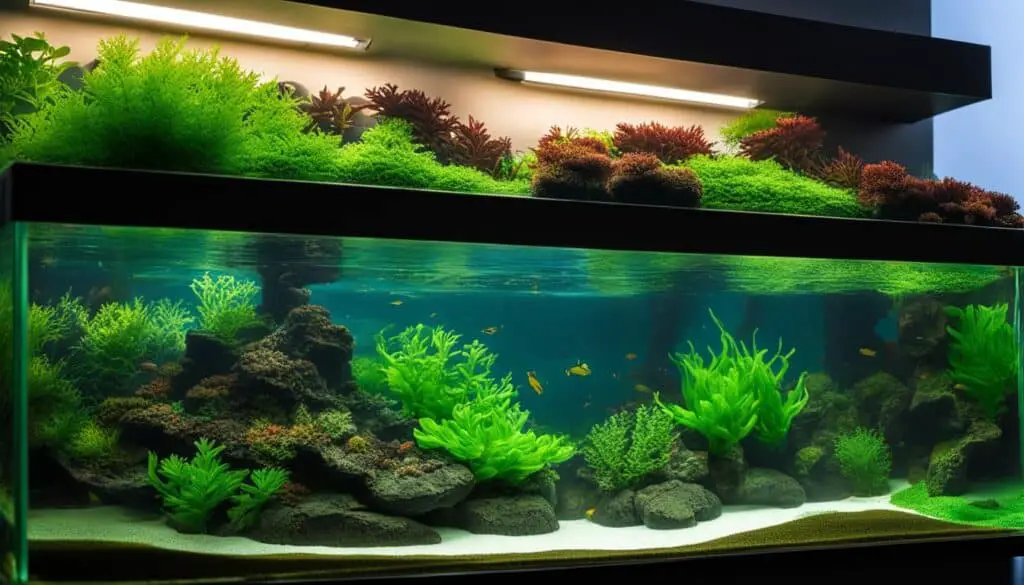
Related guides
Aquarium Setup
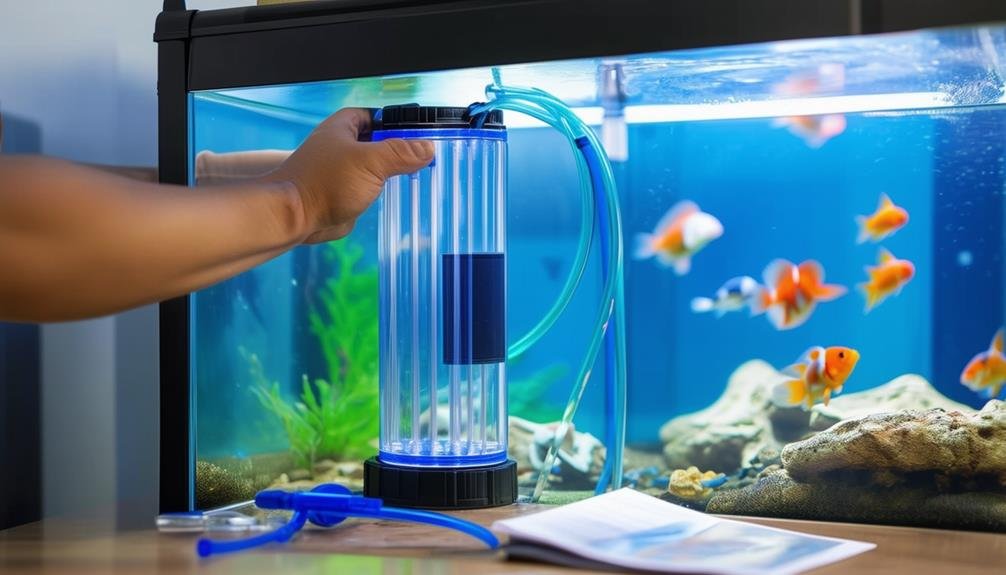
Engineering High-Performance Filtration Systems: Canister Mechanics, Media Stages, and Flow Rates
Aquarium Setup
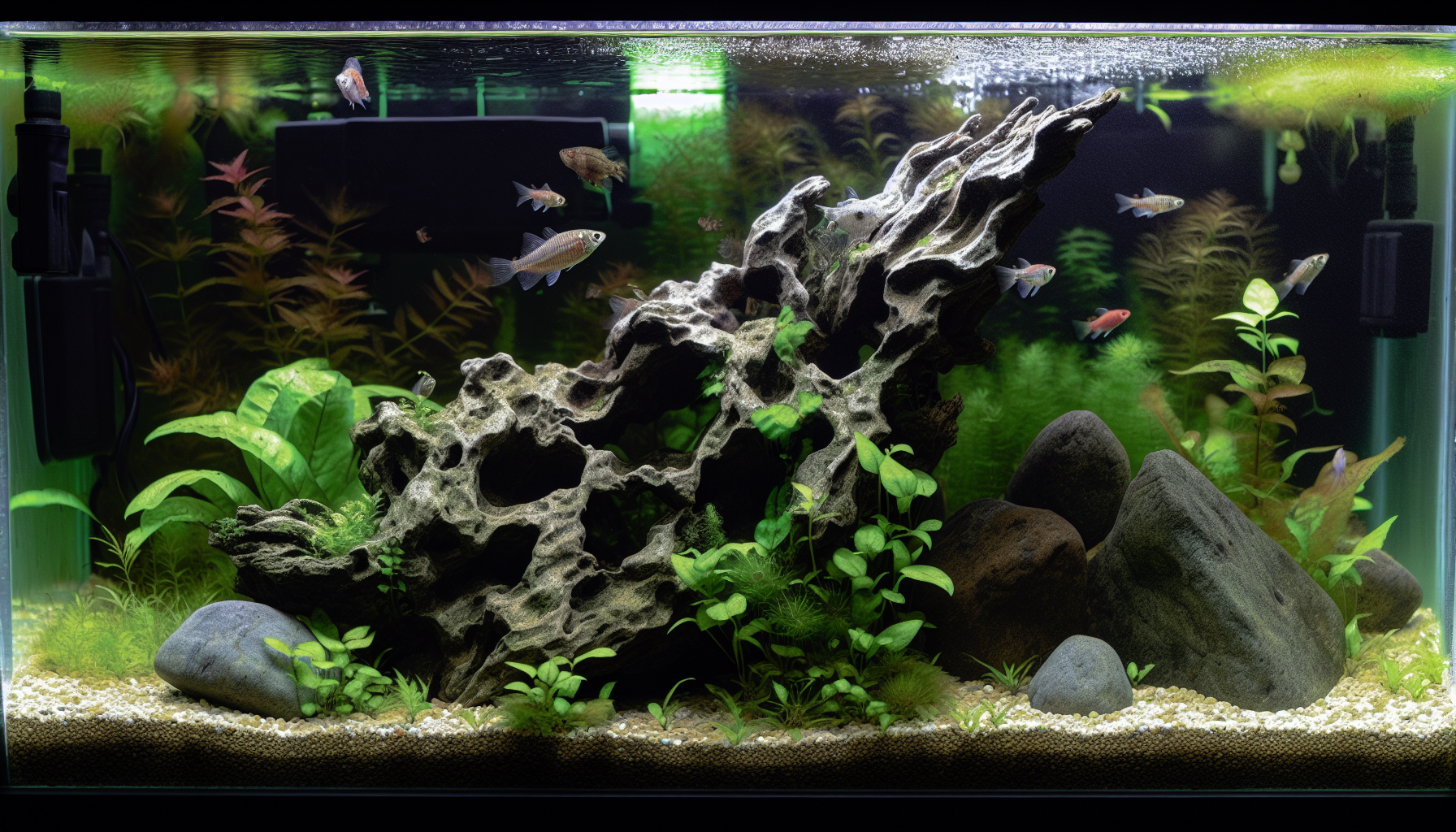
Mastering Aquascaping Hardscapes: Selecting Driftwood, Dragon Stone, and Golden Ratio Layouts

Aquarium Setup