The bottom of an aquarium is its own ecosystem, complete with territories, rivalries, and feeding hierarchies. Bottom-dwelling fish such as Corydoras, loaches, and plecos occupy the benthic zone, while mid-water schools swim above them, and the interaction between these layers determines the peace and cleanliness of the tank. Many aquarists underestimate how much conflict occurs on the substrate, from food competition to territorial squabbles among catfish. This guide explores how to manage bottom-dweller territories and mid-water dynamics so that every layer of the aquarium functions smoothly and without chronic stress.
1. The Benthic Zone and Its Residents
Understanding which fish compete for the substrate is the first step toward preventing conflict.
- Corydoras: Gentle, social sifters that claim loose territories around food and shelter.
- Loaches: Often more territorial and boisterous, some species such as botia loaches establish complex social hierarchies.
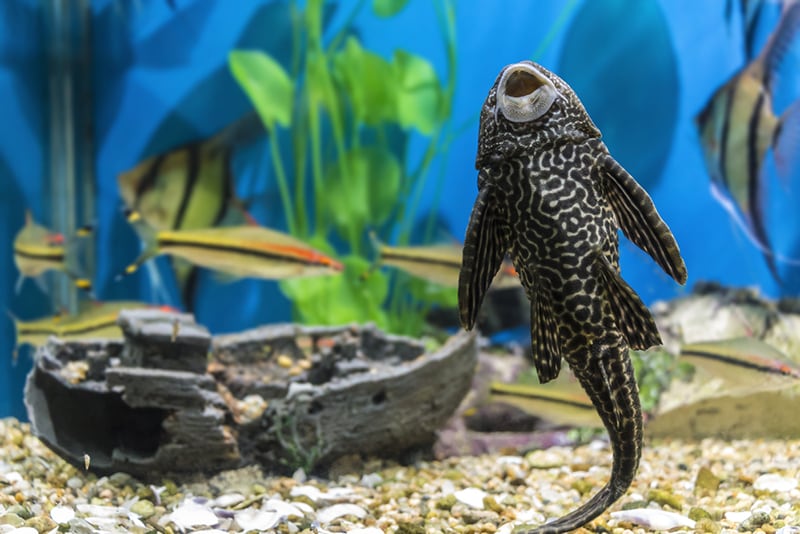
- Plecos: Nocturnal grazers that hold territories around caves and driftwood.
2. Territory and Shelter Design
Bottom dwellers anchor their behavior to caves, crevices, and feeding areas, making layout central to harmony.
- Multiple Caves: Provide more caves than fish that use them to reduce ownership disputes.
- Rounded Substrate: Use smooth sand or fine gravel to protect the barbels and bellies of benthic species.
- Plant Thickets: Dense plants offer cover and break up the substrate into distinct zones.
3. Feeding Without Conflict
Food is the most common source of bottom-dweller friction, and disciplined feeding prevents it.
- Sinking Foods: Use tablets and granules that reach the substrate before mid-water fish intercept them.
- Multiple Stations: Place food at several locations so dominant fish cannot monopolize a single feeding spot.
- After Dark: Feed nocturnal species such as plecos after lights-out so they eat undisturbed.
4. Mid-Water Dynamics
The behavior of schooling fish above directly influences the peace of the benthic zone.
- Dither Effect: Active, peaceful mid-water schools reassure shy bottom dwellers and reduce hiding.
- Competition: Fast mid-water feeders can strip food before it sinks, starving bottom dwellers over time.
- Layer Separation: Choose mid-water fish that feed at the surface and mid-water rather than on the substrate.
5. Compatible Bottom-Dweller Combinations
Not all bottom dwellers coexist easily, and choosing compatible groups prevents persistent conflict.
- Corydoras Communities: Multiple cory species usually coexist peacefully when kept in adequate groups.
- Loach Caution: Some loaches bully corys and each other; research temperament species by species.
- Pleco Space: Large plecos need substantial territory and produce a heavy bioload; stock accordingly.
6. Stocking Balance and Water Quality
Bottom dwellers live where waste accumulates, making water quality and stocking density critical.
- Bioload Awareness: Armoured catfish and plecos create significant waste; filtration must keep pace.
- Substrate Hygiene: Gentle vacuuming during water changes prevents debris from fouling the benthic zone.
- Space Per Fish: Give each bottom dweller enough floor area to feed without constant competition.
7. Diagnosing Bottom-Zone Problems
When bottom dwellers hide, refuse food, or fight, the cause is usually environmental.
- Hiding and Lethargy: Often a sign of insufficient shelter or bullying by a dominant tank mate.
- Barbel and Belly Damage: Usually indicates an inappropriate substrate or poor hygiene.
- Targeted Solutions: Add shelters, resite feeding stations, and rehome chronically aggressive individuals.