The biological capacity of any aquarium filtration system is fundamentally determined by the quality, porosity, and volume of its internal filter media. While plastic filter floss and mechanical sponges trap visible dirt, the true invisible engine of water purification resides within high-surface-area biological media where beneficial nitrifying colonies convert toxic fish waste. In this technical engineering guide, we examine the physical properties of advanced filter media and how to maximize biological filtration efficiency.
AQUARIUM SETUP · GUIDE 18
Engineering Aquarium Filtration Media: Ceramic Rings, Matrix Rock, and Biological Optimization
An expert technical guide to aquarium filtration media architecture, comparing surface-area-to-volume ratios, fluidized beds, and maximizing nitrifying bacterial efficiency.
Reference source →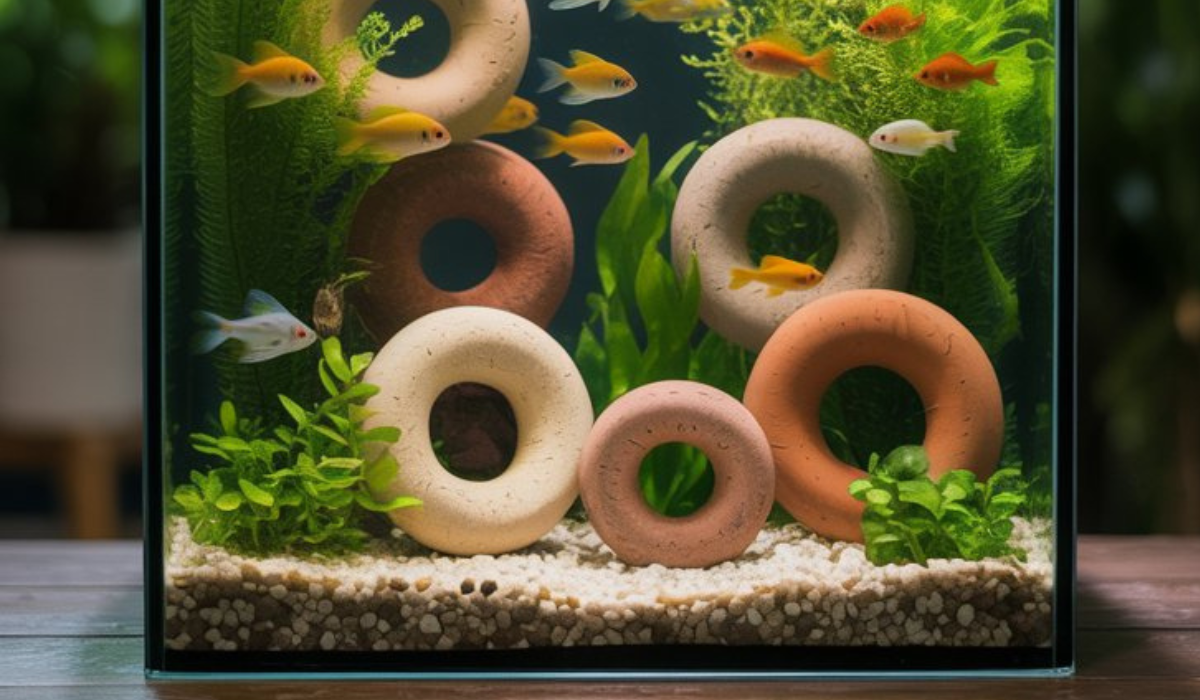
Related guides
Aquarium Setup
Engineering High-Performance Filtration Systems: Canister Mechanics, Media Stages, and Flow Rates
Aquarium Setup
Mastering Aquascaping Hardscapes: Selecting Driftwood, Dragon Stone, and Golden Ratio Layouts

Aquarium Setup