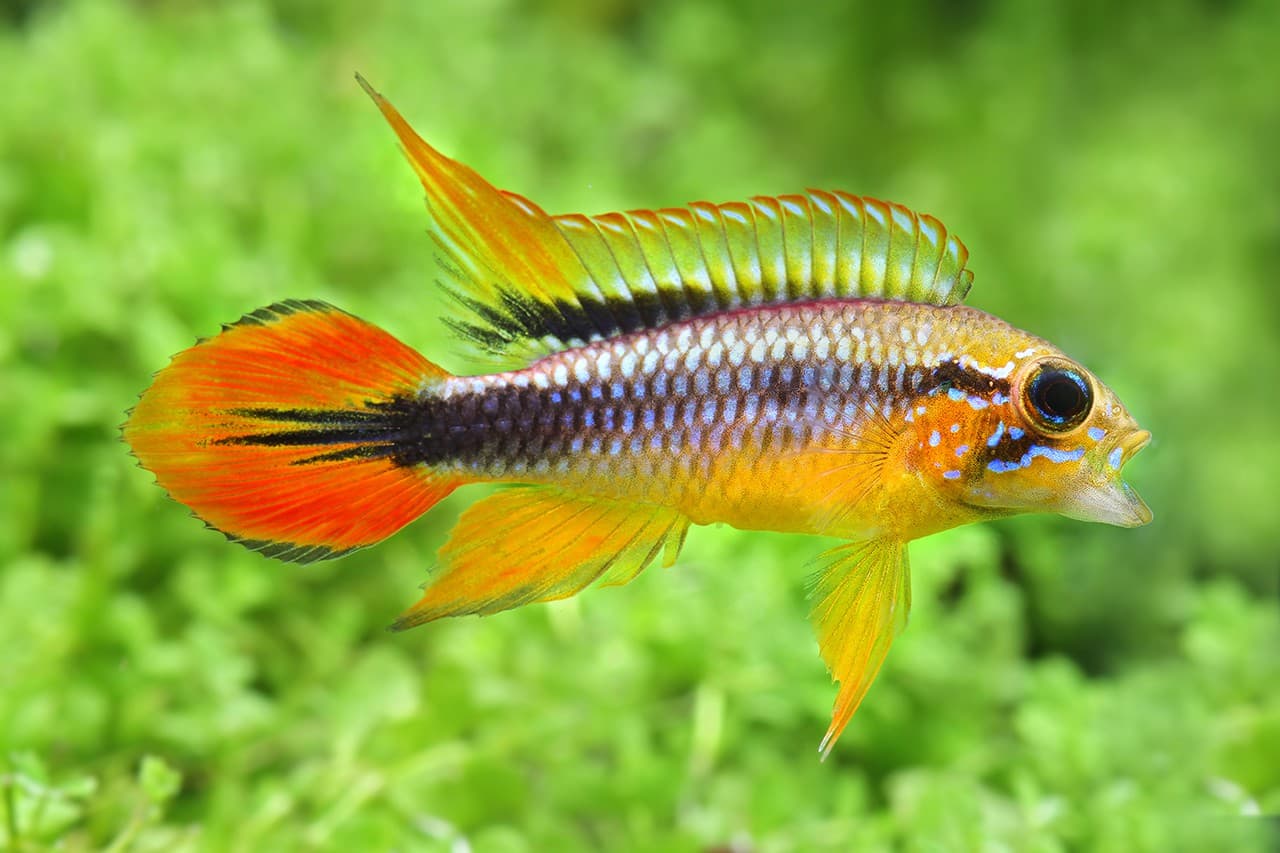
The Otocinclus catfish is the gentle, hardworking algae eater that every planted tank keeper wants, a tiny, armoured grazer that glides over leaves and glass without harming a single plant. Yet behind its peaceful, industrious reputation lies a fish that starves quietly in many aquariums, because Otocinclus are wild-caught grazers with a near-constant need for aufwuchs — the microscopic algae and biofilm that coats natural surfaces. Understanding their group needs, their diet, and the conditions that support natural grazing is the key to keeping Otocinclus alive, not merely present. This guide explains how.
1. Natural Habitat and Water Parameters
Otocinclus species occur across South American streams in loose shoals, grazing on biofilm-covered surfaces.
- Temperature Range: Maintain 22°C to 26°C (72°F to 79°F); they tolerate warm water but do best on the cooler end.
- pH and Hardness: Aim for 6.0 to 7.5 pH and soft to moderately soft water.
- Water Quality: Excellent oxygenation and low nitrate are essential. Otocinclus are sensitive to poor water quality.
2. Group Size and Social Needs
Otocinclus are schooling fish and suffer when kept alone or in tiny numbers.
- Minimum Group: Keep at least six; larger groups forage more confidently.
- Reduced Stress: Groups graze together and display natural behavior.
- Isolation Warning: A solitary Otocinclus often hides and stops feeding, leading to death.
3. Diet and the Starvation Problem
The greatest threat to captive Otocinclus is starvation, because many tanks lack the continuous aufwuchs they need.
- Natural Diet: Wild Otocinclus graze constantly on biofilm, algae, and microscopic organisms.
- Supplemental Feeding: Offer blanched vegetables such as zucchini, spinach, and cucumber regularly.
- Algae Wafers: Sinking algae wafers supplement grazing, but should not foul the water.
- Avoid Overcleaning: Do not scrub every surface; leave some biofilm as a natural food source.
4. Tank Setup and Aquascaping
A mature, heavily planted tank with abundant grazing surfaces is ideal.
- Mature Systems: Introduce Otocinclus only to well-established tanks with visible biofilm.
- Plants and Wood: Broad leaves and driftwood provide the surfaces they graze.
- Soft Substrate: Fine sand is gentle on their undersides.
5. Behavioral Traits and Tank Mates
Otocinclus are entirely peaceful and best kept with similarly gentle fish.
- Ideal Tank Mates: Small rasboras, tetras, and other calm community fish, plus shrimp.
- Avoid: Large predatory or boisterous species that intimidate them.
- Activity: Healthy Otocinclus are active grazers; constant hiding signals a problem.
6. Common Health Issues and Prevention
Otocinclus health problems are overwhelmingly nutritional and environmental.
- Starvation and Emaciation: The most common cause of death; ensure constant grazing opportunities.
- Bacterial Infections: Poor water quality invites infection; maintain pristine conditions.
- Quarantine: Wild-caught Otocinclus should be quarantined and dewormed before entering a display tank.
7. Long-Term Maintenance and Lifespan
Well-fed Otocinclus live three to five years and become indispensable members of a planted community.
- Weekly Routine: Change 25 percent of the water and observe feeding behavior.
- Monthly Tasks: Check that supplementary foods are being consumed and adjust accordingly.
- Observation: A plump, active Otocinclus is a healthy Otocinclus; a thin, reclusive one needs intervention.