Native to the Amazon River basin, specifically the Ucayali River drainage system in Peru, the Cockatoo Cichlid (*Apistogramma cacatuoides*) is one of the most charismatic and visually striking dwarf cichlids available in the freshwater hobby. Named for the striking, feathery extension of the dorsal fin rays in mature males that resembles a cockatoo crest, these intelligent fish display complex social behaviors and fascinating breeding rituals. While they remain relatively peaceful compared to their larger African and Central American cousins, keeping them successfully requires an intimate understanding of their territorial boundaries and water parameter preferences. In this comprehensive guide, we explore the ideal habitat setup, feeding protocols, and breeding strategies for maintaining healthy Cockatoo Cichlid colonies.
FISH CARE · GUIDE 11
Comprehensive Care Guide for the Apistogramma cacatuoides (Cockatoo Cichlid): Water Parameters, Harem Breeding, and Biotope Setup
An expert dwarf cichlid care guide detailing water parameters, cave-spawning protocols, harem management, and planted tank integration for Cockatoo Cichlids.
Reference source →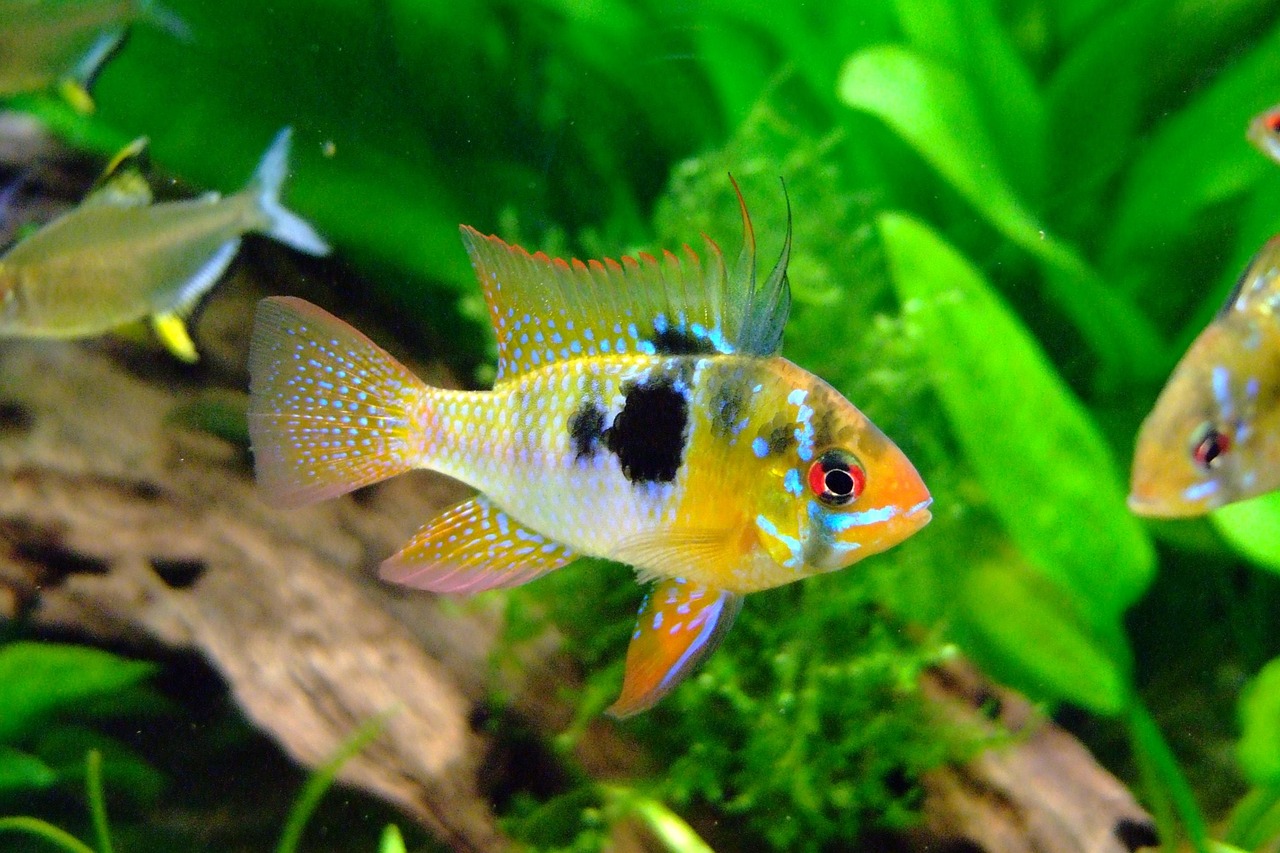
Related guides

Fish Care
Comprehensive Care Guide for the Celestial Pearl Danio (Danio margaritatus): Habitat, Diet, and Breeding

Fish Care
Comprehensive Care Guide for the Neon Tetra (Paracheirodon innesi): Water Parameters, Schooling Dynamics, and Disease Prevention

Fish Care