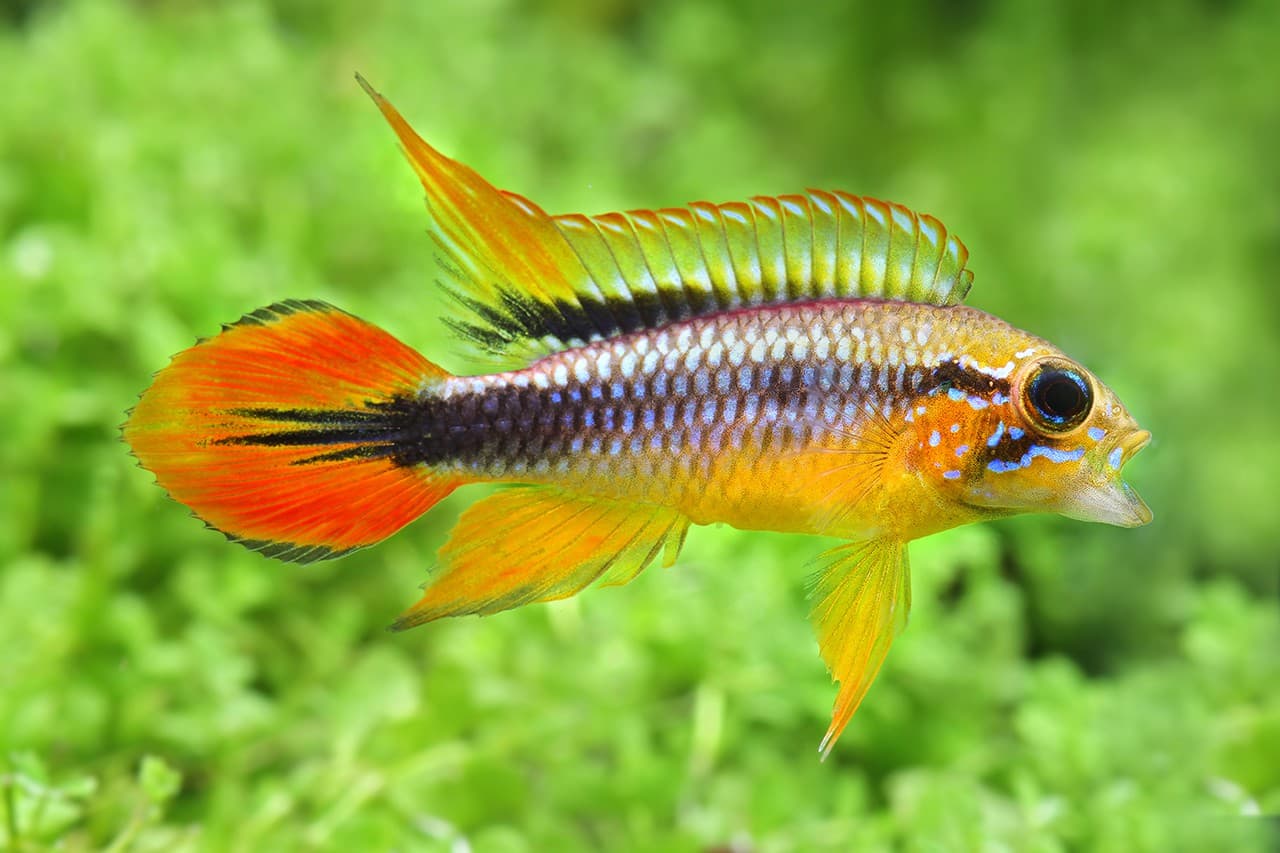
The Neon Tetra (Paracheirodon innesi) is arguably the most recognizable freshwater fish on the planet, and its electric blue and red stripe has introduced millions of people to the aquarium hobby. Behind that familiar shimmer, however, is a surprisingly sensitive blackwater fish that rewards attentive care and punishes neglect. Originally collected from the cool, shaded tributaries of the upper Amazon, neon tetras demand soft, acidic, and impeccably clean water to display their best health and color. This guide covers the precise water parameters, schooling dynamics, and disease prevention strategies that keep neon tetras thriving for years rather than months.
1. Natural Habitat and Water Parameter Requirements
Neon tetras originate from slow-moving blackwater streams where tannins stain the water the color of weak tea and dissolved minerals are scarce. Recreating even part of that chemistry pays enormous dividends.
- Temperature Range: Keep water between 21°C and 26°C (70°F to 79°F). They tolerate warmth but are most stable in the low-to-mid range of that window.
- pH and Hardness: Aim for 5.5 to 7.0 pH and hardness below 10 dGH. Sudden shifts toward alkaline water stress their osmoregulation and shorten their lifespan.
- Water Quality: The single greatest threat is poor water quality. Keep nitrate below 20 ppm and maintain excellent oxygenation, as these fish come from well-oxygenated currents.
2. Tank Setup and Aquascaping
While neon tetras are small, they are active and should be housed in a mature, plant-rich aquarium that mimics their shaded habitat.
- Minimum Tank Volume: A school of ten or more requires at least 60 liters (16 gallons). Housed in larger groups, they exhibit bolder, more natural behavior.
- Lighting and Substrate: Use subdued lighting and a dark substrate to draw out their neon colors. Floating plants provide dappled shade and a sense of security.
- Decor: Driftwood, almond leaves, and dense background plantings create the dim, structured environment these fish prefer.
3. Diet and Feeding Regimen
In the wild neon tetras feed on tiny insects, crustaceans, and plant matter. They are omnivores that benefit greatly from variety rather than a single staple.
- Staple Foods: Offer micro-granules or crushed flake that are small enough to swallow comfortably.
- Live and Frozen Foods: Daphnia, cyclops, and baby brine shrimp enhance color and condition, especially prior to spawning.
- Feeding Frequency: Two small meals daily is ideal. Neon tetras have tiny stomachs and cannot process large volumes at once.
4. Temperament, Tank Mates, and Schooling Dynamics
Neon tetras are peaceful shoalers that feel safest in large numbers. Their tight schooling is a defensive behavior, and a loose, scattered school is a warning sign of stress.
- Ideal Tank Mates: Other peaceful fish such as rasboras, Corydoras, and small livebearers thrive alongside them.
- Tank Mate Warnings: Avoid angelfish, larger cichlids, and any species that snatches small fish at night; neon tetras are a classic target for such predation.
- School Size: Keep a minimum of six, ideally ten or more, to reduce stress and unlock their characteristic synchronized swimming.
5. Breeding and Conditioning
Neon tetra breeding is regarded as advanced because it demands very soft, acidic water and careful light control.
- Conditioning: Separate males and females and feed heavily with live foods for several days before pairing.
- Spawning Setup: Use a dimly lit, bare-bottom tank with java moss or spawning mops and water of very low hardness and pH around 5.5 to 6.0.
- Fry Rearing: Adults must be removed immediately after spawning. Feed fry infusoria and microworms until they are large enough for crushed flakes.
6. Common Health Issues and Prevention
Neon tetras are particularly vulnerable to stress-related disease, and the most famous of all is neon tetra disease.
- Neon Tetra Disease: Caused by a microsporidian parasite, this incurable condition causes loss of color, emaciation, and erratic swimming. Remove and euthanize affected fish promptly.
- Ich and Fin Rot: Poor water quality and temperature swings invite these infections. Quarantine all new arrivals for two to three weeks.
- Prevention: Stable parameters, low nitrate, and a varied diet are the foundation of disease resistance.
7. Long-Term Maintenance and Lifespan
In good conditions neon tetras live five to eight years, though their color fades with age. Consistency is the key to longevity.
- Weekly Routine: Perform 25 percent water changes and siphon debris from the substrate.
- Monthly Tasks: Rinse filter media in tank water, prune plants, and test hardness and pH for drift.
- Observation: Watch schooling tightness and appetite as early indicators of trouble.