Native to the slow-moving, heavily forested peat swamp streams and blackwater tributaries of Southeast Asia, including Malaysia, Singapore, and Sumatra, the Harlequin Rasbora (*Trigonostigma heteromorpha*) is a legendary staple of the freshwater aquarium hobby. Recognized instantly by the striking, deep-black triangular wedge stamped across the rear half of its glowing copper-pink body, these peaceful schooling fish bring unmatched elegance and color contrast to planted community setups. Despite their hardy reputation in captivity, maintaining their peak coloration and natural vigor requires replicating aspects of their native acidic, tannin-rich environments. In this comprehensive guide, we explore the ideal habitat parameters, social grouping dynamics, and feeding protocols for keeping thriving Harlequin Rasbora schools.
FISH CARE · GUIDE 36
Comprehensive Care Guide for the Harlequin Rasbora (Tragoproras heteromorpha): Blackwater Biotopes, Schooling, and Soft Water Spawning
An expert aquarium guide detailing the care requirements, water parameters, iconic black triangle coloration, and peaceful schooling behavior of the classic Harlequin Rasbora.
Reference source →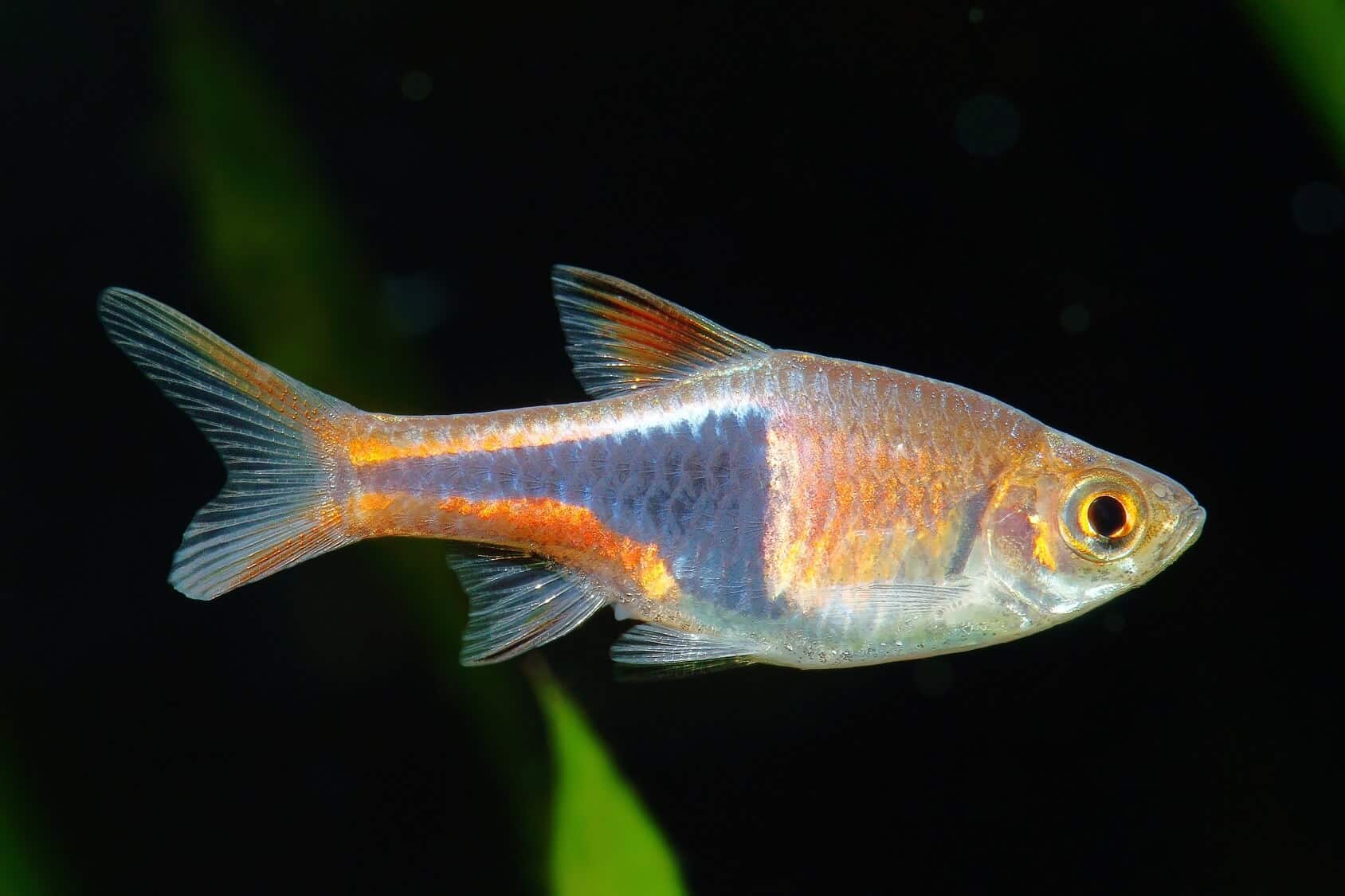
Related guides

Fish Care
Comprehensive Care Guide for the Celestial Pearl Danio (Danio margaritatus): Habitat, Diet, and Breeding

Fish Care
Comprehensive Care Guide for the Neon Tetra (Paracheirodon innesi): Water Parameters, Schooling Dynamics, and Disease Prevention
Fish Care