Native to northeastern South America—including Trinidad, Guyana, and parts of Venezuela—the Guppy (*Poecilia reticulata*) stands as one of the most prolific, colorful, and popular freshwater livebearers in aquarium history. Admired for their dazzling array of iridescent fin shapes, neon body patterns, and endless tail variations, guppies bring continuous kinetic energy to home aquariums. Because they are livebearing fish that give birth to fully formed, swimming fry rather than laying eggs, managing their population and maintaining optimal water quality requires specific husbandry strategies. In this comprehensive guide, we explore the ideal habitat parameters, social grouping requirements, and breeding management protocols for keeping thriving guppy colonies.
FISH CARE · GUIDE 26
Comprehensive Care Guide for the Guppy (Poecilia reticulata): Water Parameters, Hardiness, and Livebearer Breeding
An expert aquarium guide detailing the care requirements, water chemistry, breeding dynamics, and general maintenance for the classic freshwater Guppy.
Reference source →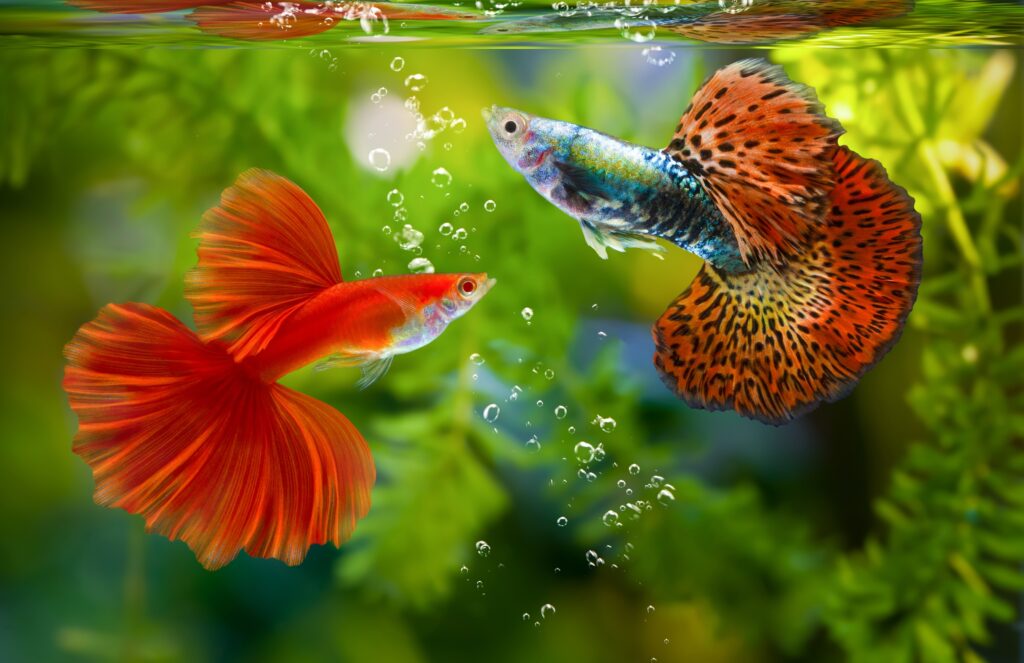
Related guides

Fish Care
Comprehensive Care Guide for the Celestial Pearl Danio (Danio margaritatus): Habitat, Diet, and Breeding

Fish Care
Comprehensive Care Guide for the Neon Tetra (Paracheirodon innesi): Water Parameters, Schooling Dynamics, and Disease Prevention
Fish Care