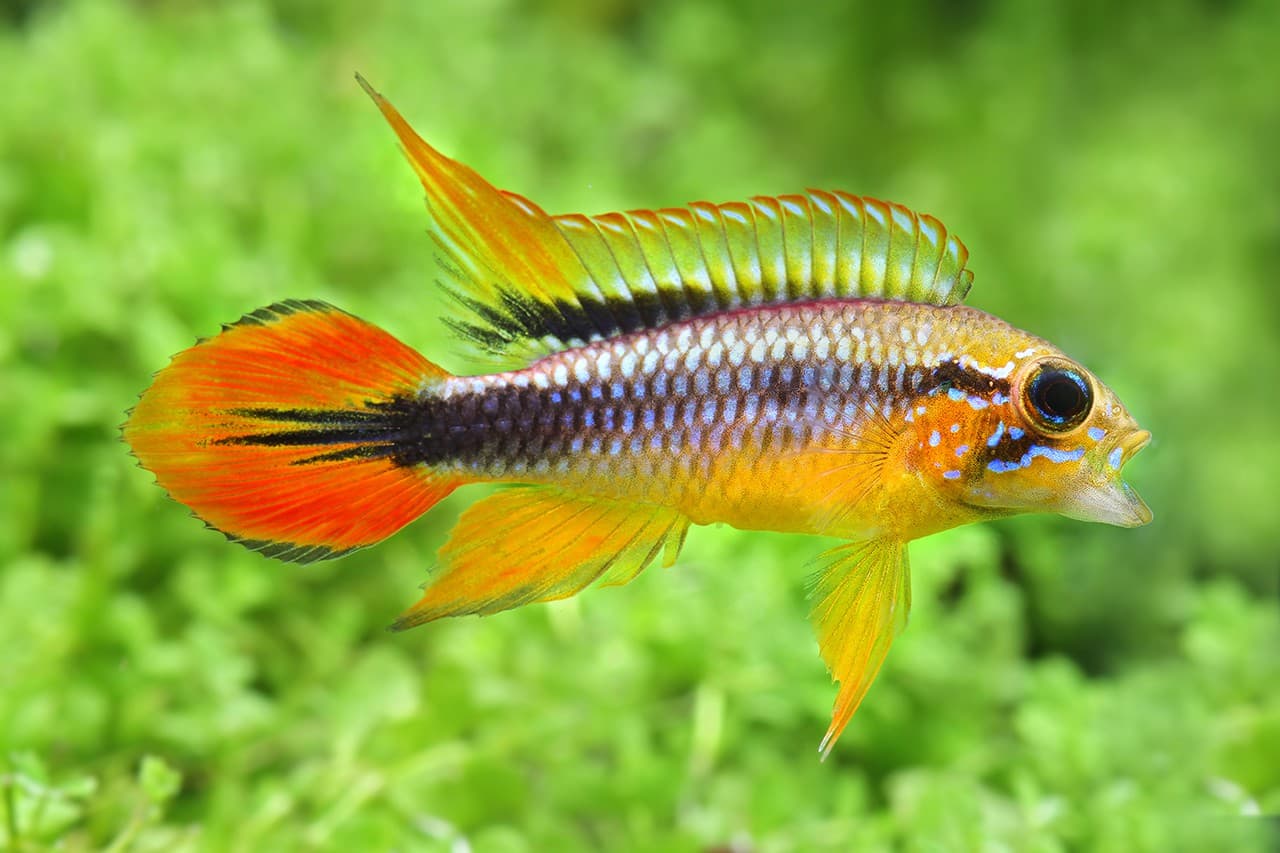
The Zebra Danio (Danio rerio) is the fish that taught a generation of beginners that aquarium keeping can be forgiving, active, and genuinely fun. These striped, torpedo-shaped schooling fish from the rivers of South Asia are among the hardiest freshwater species available, tolerating a wide range of conditions while remaining endlessly entertaining. Long before they became the workhorse of genetic research, zebra danios were winning over hobbyists with their tireless energy and remarkable spawning vigor. This guide explores their hardiness, temperature range, and the active schooling behavior that makes them a superb choice for both newcomers and experienced aquarists.
1. Natural Habitat and Water Parameters
Zebra danios occur across the Indian subcontinent in streams, ponds, and flooded rice paddies, often in large shoals. That adaptability explains their legendary hardiness.
- Temperature Range: They accept 18°C to 28°C (65°F to 82°F), one of the widest ranges of any common tropical fish, though 22°C to 26°C is ideal.
- pH and Hardness: Anywhere from 6.0 to 8.0 pH and moderately soft to hard water is acceptable. Stability remains more important than exact values.
- Water Quality: Although hardy, zebra danios still benefit from regular water changes, strong filtration, and good oxygenation.
2. Tank Setup and Aquascaping
Zebra danios are fast, horizontal swimmers that appreciate a long tank with open water and current.
- Minimum Tank Volume: A group of six needs at least 60 liters (16 gallons); a 90-centimeter tank provides the racing distance these athletes crave.
- Filtration and Flow: A power filter or canister with a spray bar creates the gentle current these river fish enjoy.
- Aquascaping: Use plants, driftwood, and open sand or gravel to balance cover with swim space. A dark background intensifies their stripes.
3. Diet and Feeding Regimen
Zebra danios are omnivorous micropredators and enthusiastic eaters that are easy to overfeed.
- Staple Foods: High-quality flakes or micro-pellets form an excellent base.
- Live and Frozen Foods: Daphnia, brine shrimp, and bloodworms improve condition and trigger spawning.
- Feeding Frequency: Two small meals daily. Their constant activity burns energy but also makes them prone to obesity if overfed.
4. Temperament, Schooling, and Tank Mates
Zebra danios are peaceful but extremely active, and their relentless motion can stress slower or long-finned fish.
- Group Size: Keep at least six to eight; larger schools behave more naturally and disperse aggression.
- Ideal Tank Mates: Other active mid-water fish such as other danios, rasboras, and sturdy bottom dwellers.
- Tank Mate Warnings: Avoid slow, ornate-finned fish like bettas and fancy guppies, whose fins invite nipping.
5. Breeding and Spawning
Zebra danios are among the easiest egg scatterers to breed, a trait that made them a research staple.
- Conditioning: Feed live and frozen foods, and set up a spawning tank with a mesh or marbles floor to protect falling eggs.
- Spawning Behavior: Spawning is triggered by morning light and a slight temperature rise, producing hundreds of eggs.
- Fry Rearing: Remove adults after spawning and feed fry infusoria, then microworms and baby brine shrimp as they grow.
6. Common Health Issues and Prevention
Hardiness does not equal invincibility. Zebra danios still suffer when their environment deteriorates.
- Ich and Velvet: Common when new fish arrive without quarantine. Quarantine all newcomers for two weeks.
- Fin Rot and Columnaris: Rising nitrate and overcrowding invite bacterial infections. Maintain water quality and stocking discipline.
- Neon Tetra-like Wasting: Internal parasites and mycobacteria cause emaciation. Isolate and treat affected fish promptly.
7. Long-Term Maintenance and Lifespan
Zebra danios commonly live three to five years with attentive care, remaining active into old age.
- Weekly Routine: Change 25 percent of the water and rinse mechanical media in tank water.
- Monthly Tasks: Check heater calibration, prune plants, and test nitrate and hardness.
- Observation: Watch swimming energy and fin condition; declining activity is an early clue to environmental problems.