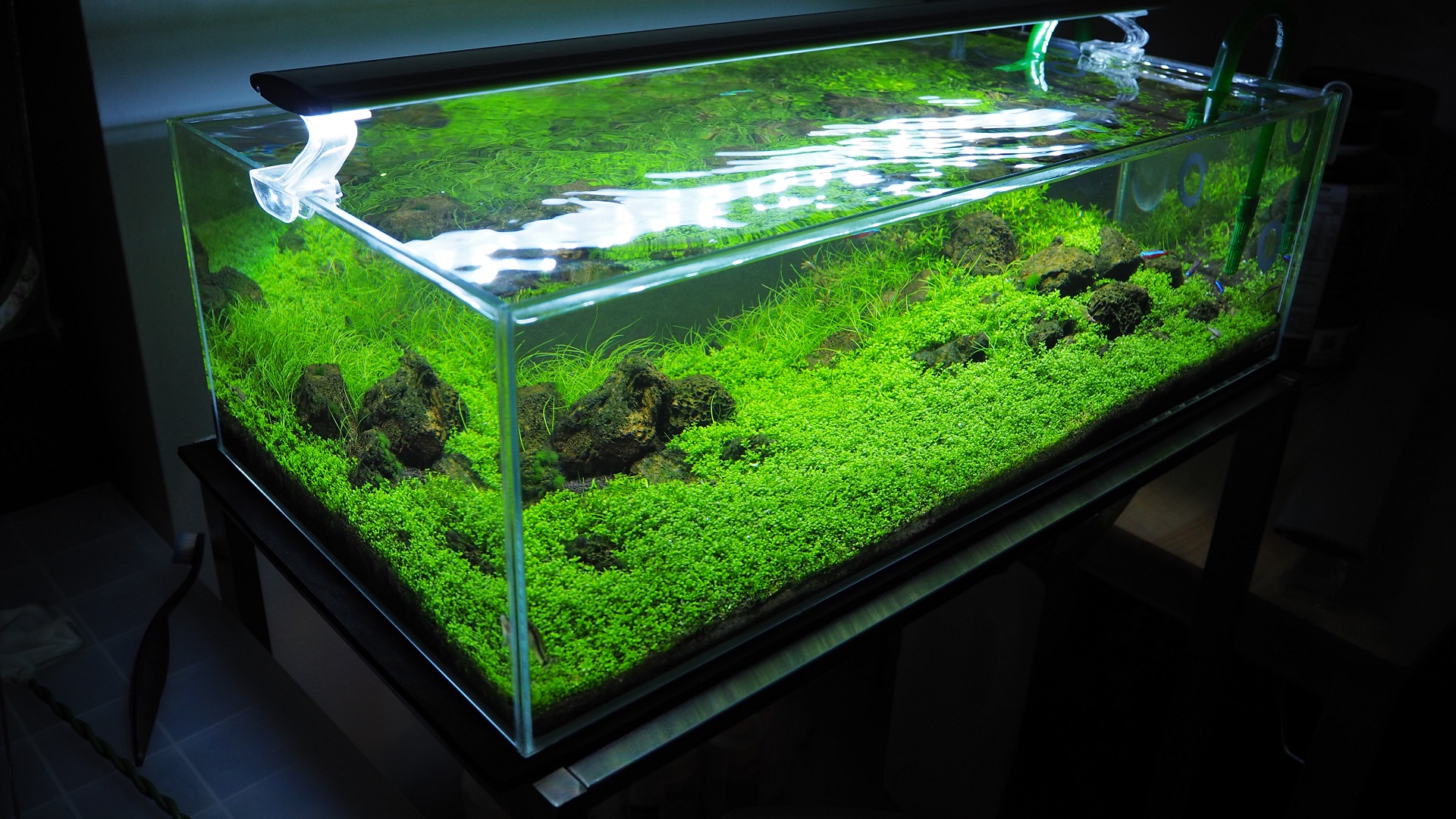
Aquarium mosses are among the most versatile and forgiving plants in the hobby, capable of transforming hardscape into lush, textured features that no other plant can replicate. From Java moss cascading over driftwood to Taiwan moss forming a delicate tree canopy, these plants create the soft, ancient look that defines many award-winning aquascapes. Mosses are undemanding, tolerant of low light, and easy to propagate, yet they still reward attention to attachment, trimming, and flow. This guide explains how to grow and shape aquarium mosses into the features that make a planted tank feel alive.
1. Why Grow Mosses
Mosses offer unique aesthetic and practical benefits.
- Textural Contrast: Their fine texture softens hardscape and adds detail.
- Forgiving Growth: They tolerate low light and a range of parameters.
- Versatility: Use them on wood, rock, mesh, and even the substrate.
2. Common Moss Species
Each species has a distinct growth habit suited to different uses.
- Java Moss: Fast-growing, robust, and ideal for beginners and shading.
- Taiwan Moss: Finer and more delicate, perfect for tree canopies.
- Christmas Moss: Distinctive triangular fronds create a layered, sculptural look.
- Flame Moss: Upright growth suits vertical accents.
3. Attachment Techniques
Mosses lack true roots and must be attached to surfaces.
- Thread Tying: Cotton or fishing line holds moss in place until it grips.
- Cyanoacrylate Gel: Aquarium-safe glue attaches moss to wood and stone.
- Mesh and Wire: Mesh squares create moss walls and carpets.
- Blending Technique: Chopped moss blended with water and painted onto surfaces grows into a natural coat.
4. Lighting and CO2
Mosses are adaptable but respond to light and CO2.
- Low Light Tolerance: Most mosses thrive in low to moderate light.
- CO2 Response: Supplemental CO2 accelerates growth and density.
- Algae Risk: Excessive light encourages algae that smothers moss.
5. Trimming and Shaping
Regular trimming keeps moss dense and free of algae.
- Regular Pruning: Trim to shape and remove dead material.
- Dense Growth: Frequent trimming encourages tighter, bushier growth.
- Preventing Detachment: Remove trimmed material so it does not smother plants or clog filters.
6. Propagation
Mosses propagate easily from fragments.
- Division: New clumps form wherever fragments settle.
- Spreading: Deliberately place fragments to extend coverage.
- Overflow: Manage overgrowth by thinning and sharing with other hobbyists.
7. Troubleshooting Moss Problems
Moss problems are usually environmental.
- Brown Patches: Often indicate too much light or insufficient flow.
- Algae Coating: Signals excess light or nutrients; rebalance conditions.
- Die-Off: Sudden decline usually follows parameter or temperature shock.