Integrating live aquatic plants transforms a standard glass box into a dynamic, living ecosystem that naturally absorbs nitrates, oxygenates the water column, and provides secure refuges for shy fish. However, keeping aquatic plants healthy and vibrant requires balancing lighting intensity, macro-nutrients, micro-nutrients, and dissolved carbon dioxide. In this comprehensive guide, we explore the physiological needs of freshwater plants and advanced fertilization techniques.
AQUARIUM PLANTS · GUIDE 09
Mastering Live Aquarium Plants: Substrate Root Tabs, CO2 Injection, and Nutrient Uptake
An expert agronomy guide for planted freshwater tanks, detailing nutrient deficiencies, pressurized CO2 systems, and root tab fertilization strategies.
Reference source →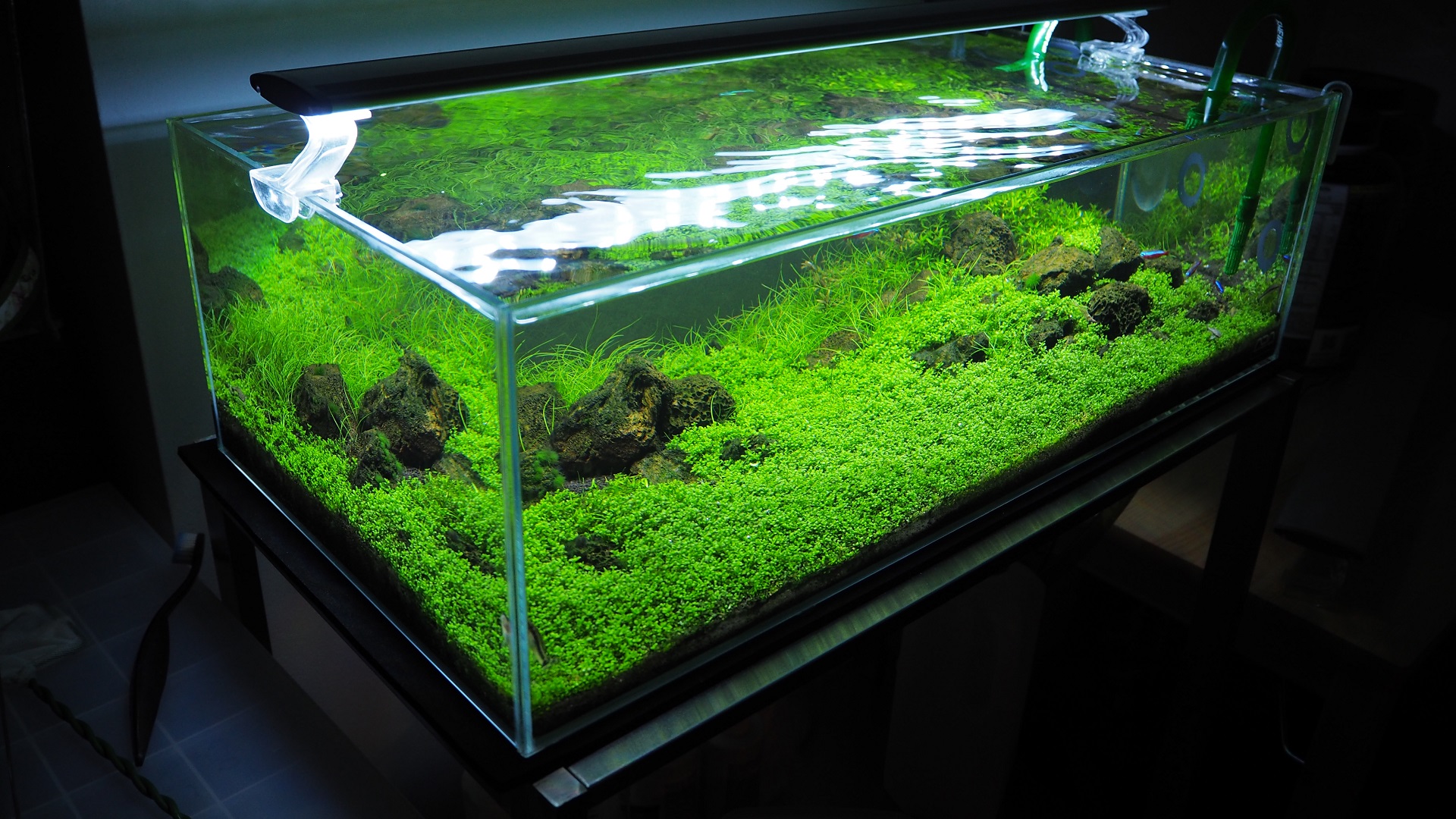
Related guides

Aquarium Plants
Mastering Stem Aquarium Plants: Propagation, Trimming Techniques, and Bushy Growth Induction

Aquarium Plants
Mastering Epiphytic Aquarium Plants: Mounting Anubias, Bucephalandra, and Java Fern on Hardscape

Aquarium Plants