Rosette-forming aquarium plants—exemplified by the vast genus *Cryptocoryne* as well as *Echinodorus* (sword plants)—form the lush, textured middle ground and focal points of many freshwater planted tanks. Known for their striking leaf variations ranging from hammered bronze to vibrant green, these plants anchor themselves securely in the substrate via massive root networks. However, they possess a notorious reputation for undergoing sudden leaf melt when introduced to new environments. In this comprehensive agronomy guide, we explore the physiological needs of rosette plants and how to manage their care successfully.
AQUARIUM PLANTS · GUIDE 29
Mastering Rosette Aquarium Plants: Cryptocoryne Care, Root Fertilization, and Preventing Melt
An expert agronomy guide for planted freshwater tanks, detailing Cryptocoryne care requirements, managing melting transitions, and heavy root-tab fertilization.
Reference source →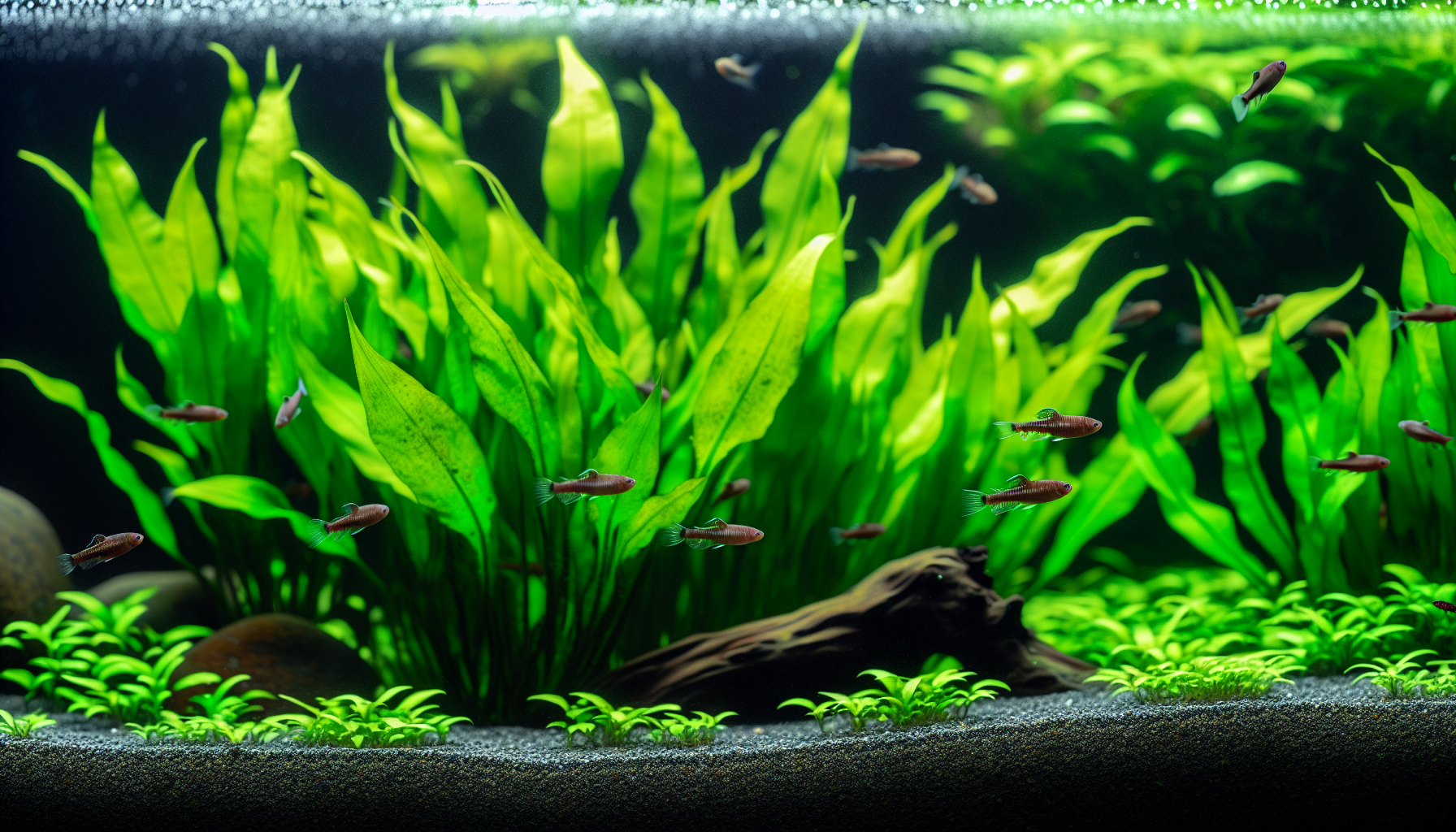
Related guides
Aquarium Plants
Mastering Live Aquarium Plants: Substrate Root Tabs, CO2 Injection, and Nutrient Uptake

Aquarium Plants
Mastering Stem Aquarium Plants: Propagation, Trimming Techniques, and Bushy Growth Induction

Aquarium Plants