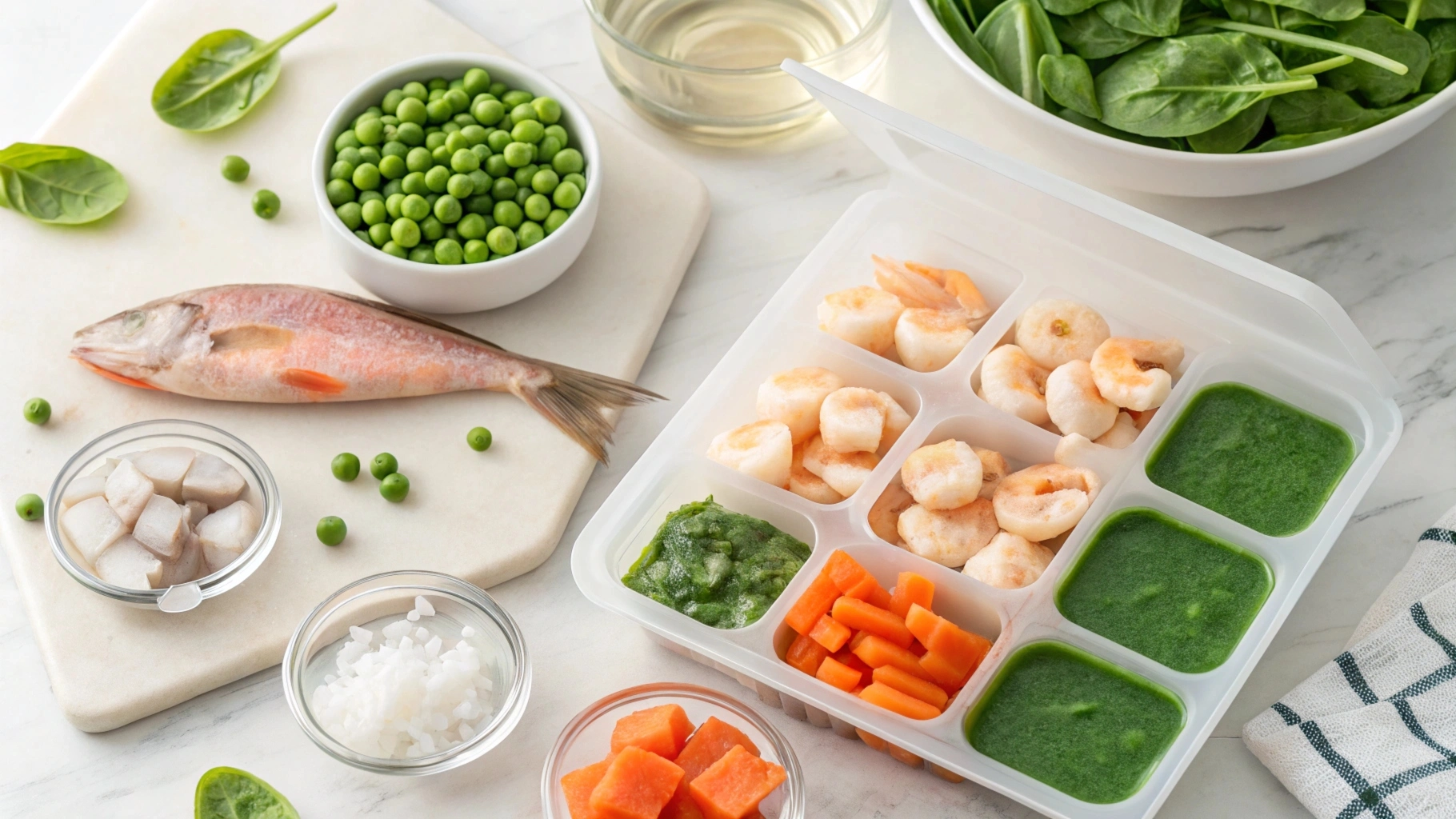
For aquarists who want complete control over what their fish eat, gel food and homemade recipes offer a powerful alternative to commercial products. By preparing food at home, you decide exactly which ingredients, proteins, and supplements go into your fish's diet, eliminating fillers and adjusting nutrition for specific species. Gel foods are especially valuable for bottom feeders and grazers, binding nutritious ingredients into a form that sinks and holds together. While homemade food requires care in preparation and storage, the payoff is a diet that is fresh, customizable, and often far more nutritious than what comes in a can.
1. Why Make Homemade Fish Food
Homemade food offers control, freshness, and cost savings.
- Ingredient Control: You know exactly what your fish are eating.
- Freshness: Homemade food avoids the nutrient degradation of long-stored products.
- Customization: Recipes can be tailored to species, life stages, and health needs.
- Cost Efficiency: Bulk ingredients often cost less per serving than commercial foods.
2. Gel Food Fundamentals
Gel food binds ingredients with a gelling agent into a stable, sinking block.
- The Concept: Ingredients are blended, set with gelatin or agar, and cut into portions.
- Sinking Property: Gel food sinks and holds together, ideal for bottom feeders.
- Feeding Flexibility: It can be targeted to specific fish and refuges.
3. Choosing Ingredients
A balanced recipe combines proteins, plant matter, and supplements.
- Protein Sources: Fish, shrimp, and shellfish provide complete animal protein.
- Plant Matter: Spirulina, spinach, and peas add fiber and vitamins.
- Binders: Gelatin or agar gives the food structure.
- Supplements: Vitamins, minerals, and pigments can be added for specific goals.
4. A Basic Gel Recipe
A simple recipe demonstrates the process.
- Blend: Combine a protein source, vegetables, and a little water, then blend smooth.
- Add Binder: Dissolve gelatin or agar in warm water and mix into the blend.
- Set: Pour the mixture into flat trays and refrigerate until firm.
- Portion: Cut into small cubes and store for feeding.
5. Storage and Safety
Homemade food must be handled carefully to remain safe.
- Refrigeration: Refrigerate fresh food for short-term use.
- Freezing: Freeze portions for longer storage.
- Hygiene: Clean all equipment thoroughly; bacteria in food can sicken fish.
- Small Batches: Make small batches to ensure freshness.
6. Matching Recipes to Species
Recipes can be adapted to different dietary needs.
- Carnivores: Emphasize animal protein and fat.
- Herbivores: Emphasize plant matter and fiber.
- Bottom Feeders: Dense, sinking gels with wood fiber for plecos.
7. Common Homemade Food Mistakes
Several common errors undermine homemade diets.
- Poor Binding: Food that falls apart fouls the water.
- Nutritional Gaps: Recipes missing variety lack complete nutrition.
- Spoilage: Improper storage breeds bacteria that harm fish.


