When hobbyists prepare to leave home for extended business trips or family vacations, managing daily fish feeding becomes a major source of anxiety. Handing over heavy-handed feeding instructions to a well-intentioned house sitter—or dumping slow-dissolving vacation blocks into the water—frequently results in catastrophic overfeeding, severe ammonia spikes, and cloudy water. In this expert nutritional guide, we examine how to calibrate digital automated feeders and implement safe vacation feeding protocols.
FISH FOOD · GUIDE 25
Formulating Specialized Fish Foods: Automated Feeder Calibration and Vacation Feeding Strategies
An expert nutritional guide for aquarium keepers on setting up digital automated fish feeders, preventing overfeeding disasters, and managing vacation feeding protocols.
Reference source →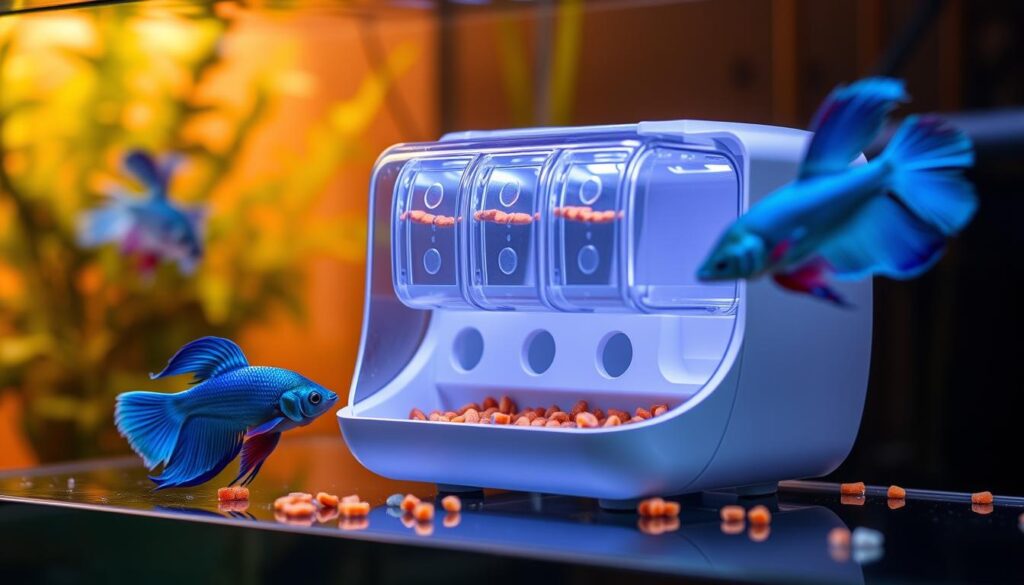
Related guides
Fish Food
Formulating High-Performance Fish Diets: Nutritional Biochemistry, Live Foods, and Color Enhancement

Fish Food
Formulating Specialized Fish Foods: Sinking Pellets, Freeze-Dried Treats, and Dietary Variety

Fish Food